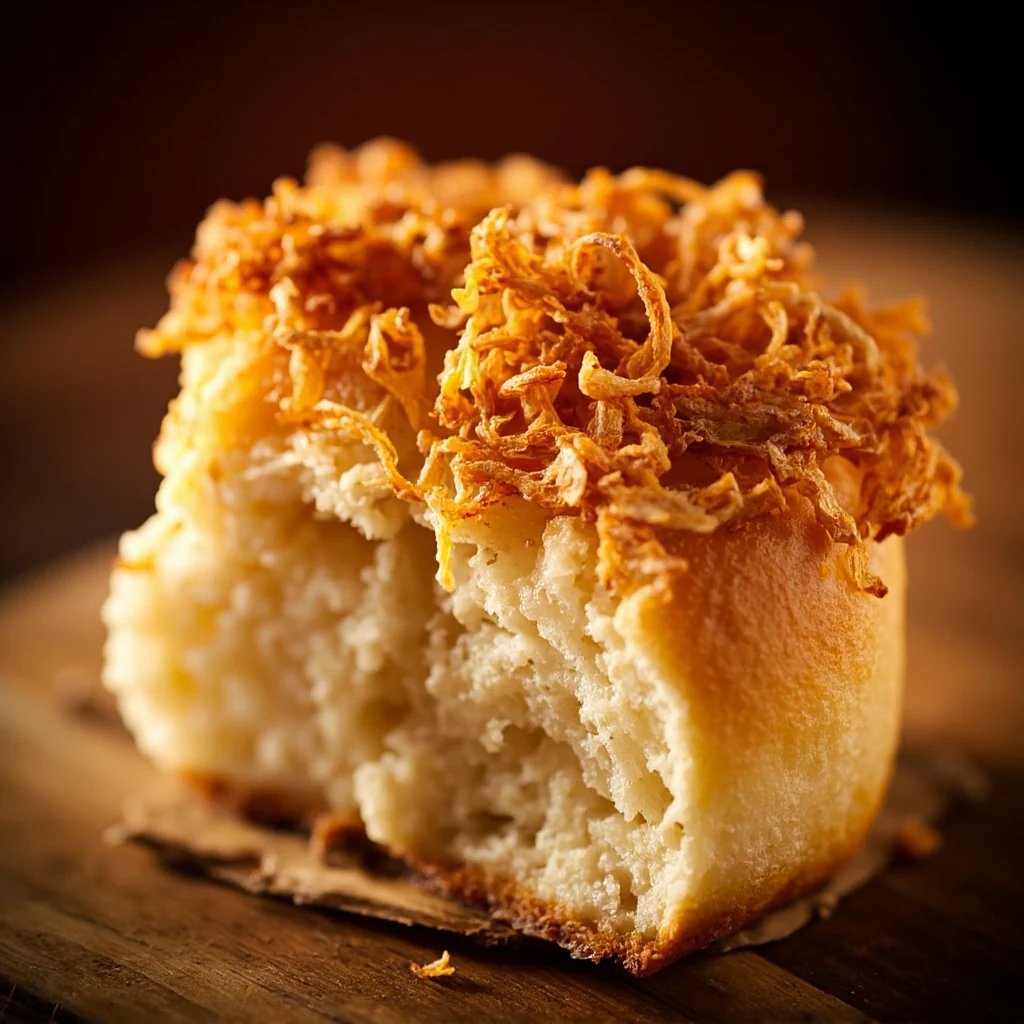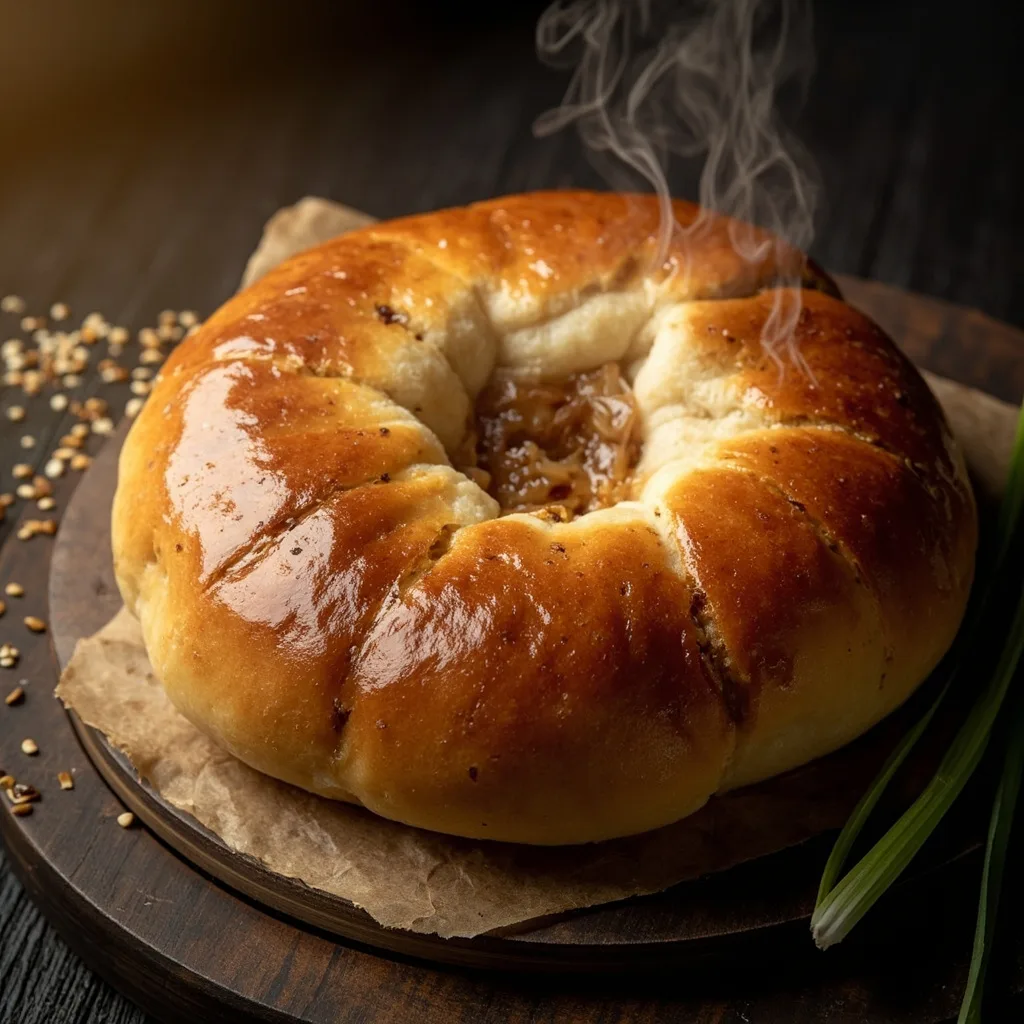
Classic French Bread
Classic French bread made with cold fermentation, versatile enough for large loaves, small loaves, or dinner rolls.
Ingredients
unbleached bread flour
5⅓ cups (24 oz / 680 g)
salt (or 1 tablespoon coarse kosher salt)
2 teaspoons (0.5 oz / 14 g)
instant yeast
2 teaspoons (0.22 oz / 6 g)
lukewarm water (about 95°F or 35°C)
2¼ cups (18 oz / 510 g)
Instructions
1
Mix the Dough
Place all ingredients in a mixing bowl. If using a stand mixer, mix with the paddle attachment on the lowest speed for 2 minutes. If mixing by hand, stir with a large spoon for 2 minutes until well combined. The dough should be very soft, sticky, rough, and shaggy but still hold together as a dough. Transfer the dough to a clean, lightly oiled bowl using a wet spatula or scraper. Let the dough rest for 5 minutes.
2
Stretch and Fold
Perform stretch and folds in the bowl: with wet hands or a wet scraper, reach to the front of the dough, pull it out, and fold it back over the top of the dough. Repeat this on the back end and sides, then flip the dough over and shape it into a ball. The dough will noticeably firm up but remain very soft and fragile. Cover the bowl with plastic wrap and let the dough rest at room temperature for 10 minutes. Repeat this stretch and fold process 3 times, completing all repetitions within 40 to 45 minutes. The dough will be slightly firmer than when first mixed, with an improved rough texture, but it will still spread out to fill the bowl.
3
Cold Fermentation
After the final stretch and fold, place the dough back in the oiled bowl, cover the bowl tightly, and refrigerate overnight or for up to 4 days. The dough will double or even triple in size in the refrigerator within 4 to 12 hours. (If you plan to bake the dough in batches on different days, you can divide and place the dough into two or more oiled bowls at this stage.)
4
Prepare for Baking
About 2 hours before you plan to bake, remove the dough from the refrigerator. Drip a few drops of olive or vegetable oil on the work surface, then transfer the dough to the work surface with a wet scraper or wet hands. Divide the dough in half (each about 21 oz / 595 g) to make two large loaves; divide into 4 to 6 pieces for small loaves; or divide into 18 to 24 pieces for dinner rolls.
5
Shape
Line a baking sheet with parchment paper or a silicone mat, then lightly spray with nonstick spray or sprinkle with flour, semolina, or cornmeal. (If using a proofing basket, spray with nonstick spray, then dust with flour.) Prepare a small bowl of bread flour. With floured hands, gently pat the dough pieces into rectangles, then stretch them into torpedo, round, or oblong shapes, or shape into dinner rolls. With floured hands, gently lift the dough and place it seam-side down on the prepared baking sheet (or seam-side up in a proofing basket). If bubbles form, pop the surface. Spray the dough surface with nonstick spray and loosely cover with plastic wrap or a towel.
6
Second Proof
Let the shaped dough rest at room temperature for 60 minutes. Then, uncover and let the dough proof for another 60 minutes. The dough will spread slightly and the surface will begin to dry.
7
Preheat the Oven
About 45 minutes before baking, preheat the oven to 550°F (288°C), or as high as your oven will go, and prepare the oven for baking on a stone.
8
Score and Bake
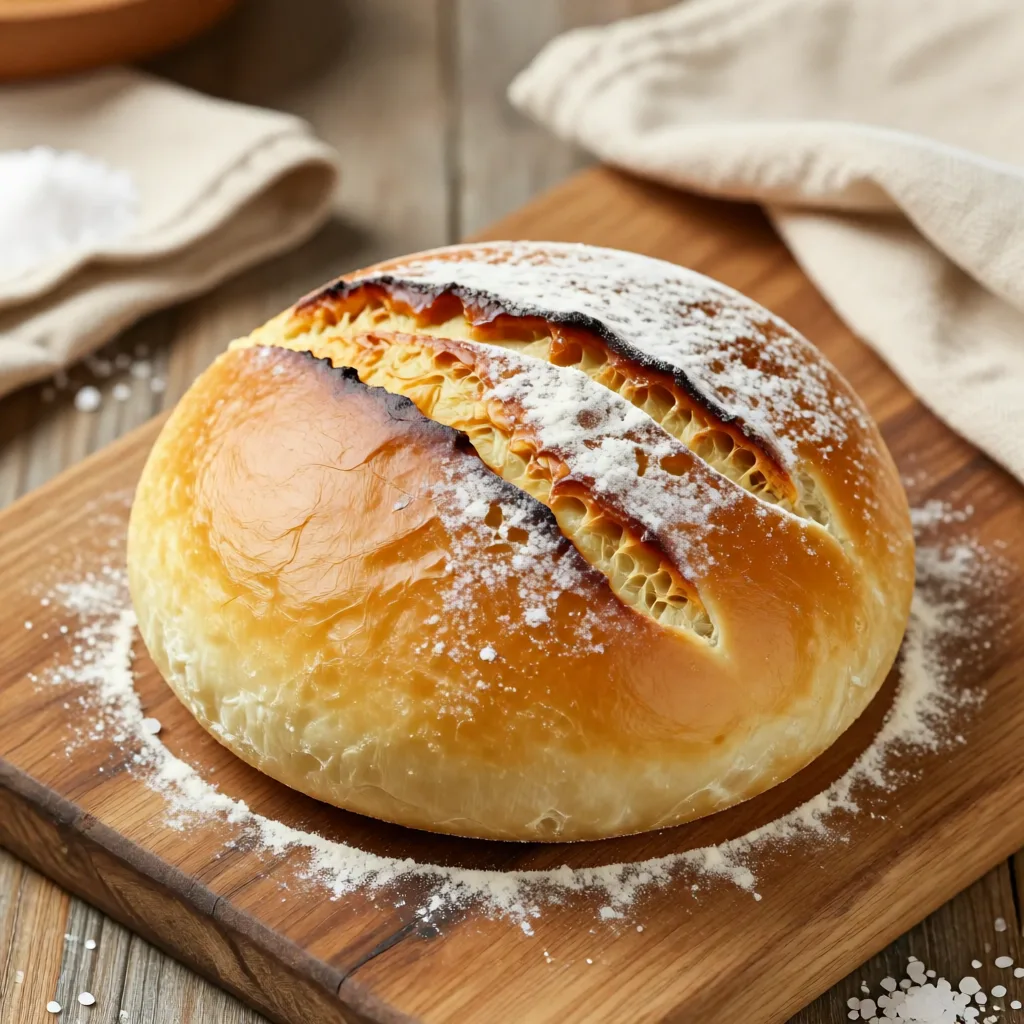
Just before baking, score the dough with a sharp serrated knife or razor blade. The dough will have spread somewhat but should still hold its general shape and will spring up in the oven. (If using a proofing basket, remove the dough from the basket at this point.) Place the dough in the oven, pour 1 cup of hot water into the steam pan, then reduce the oven temperature to 450°F (232°C), or 425°F (218°C) for a convection oven.
9
Finish Baking
Bake for 10 to 12 minutes, then rotate the baking sheet and bake for another 10 to 15 minutes, until the crust is deep golden brown and the internal temperature reaches 200°F to 205°F (93°C to 94°C). For a crispier crust, turn off the oven and let the bread sit in the oven for an additional 5 to 10 minutes before removing it (the time will be shorter for dinner rolls). Cool the bread on a wire rack for at least 1 hour before slicing or serving.