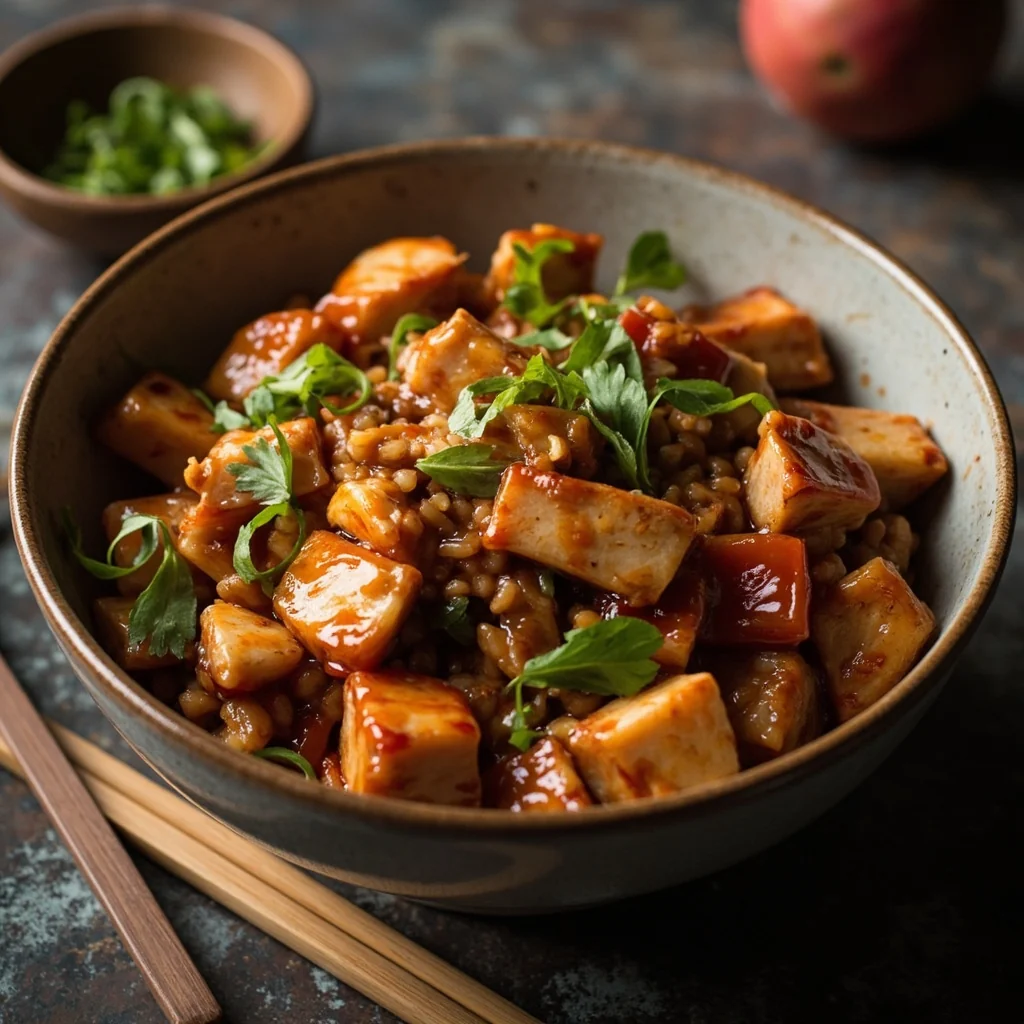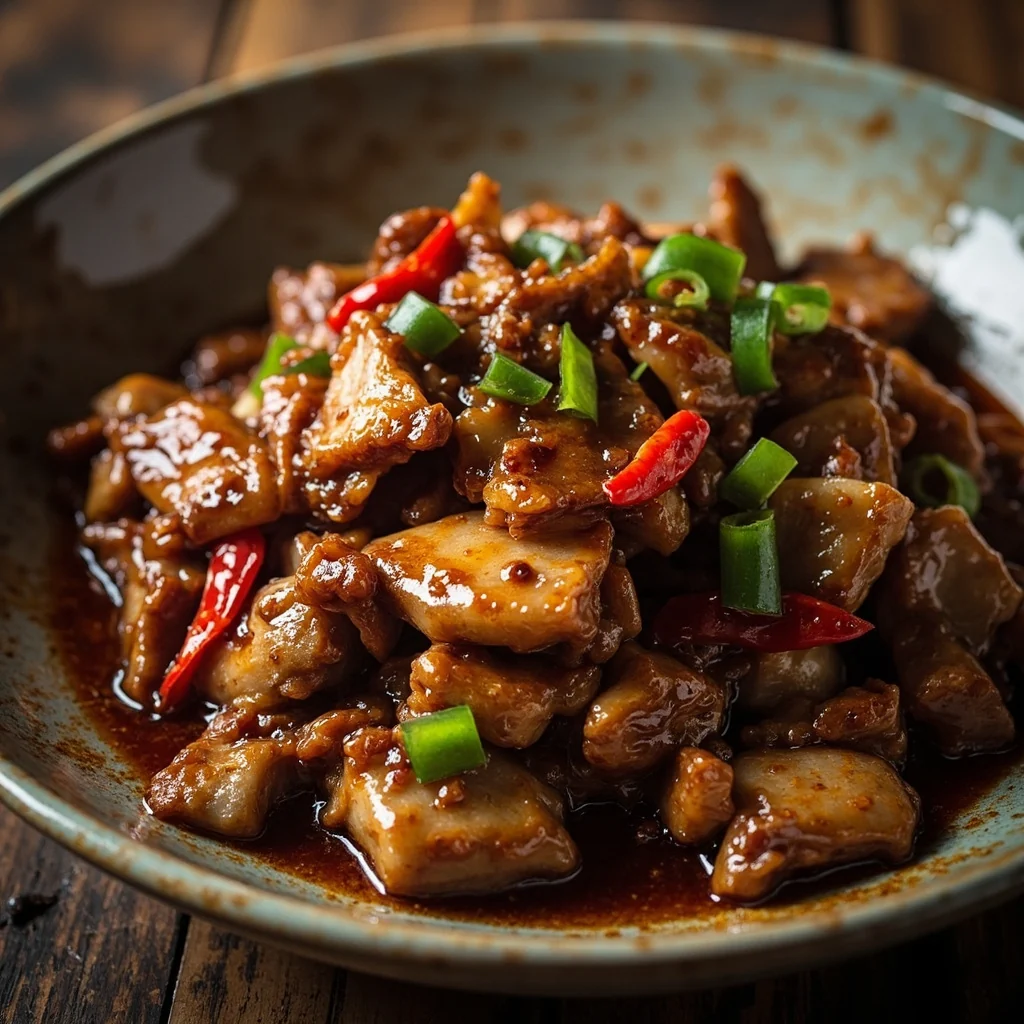
Stir-Fried Pork Liver with Chili Peppers
Offal is a distinctive category of ingredients—some people enjoy it, others do not. Scientifically speaking, it holds its own nutritional value and associated drawbacks, just like other parts of an animal. Consuming it in moderation as part of a balanced diet lets you reap its benefits; overindulging brings out its downsides, much like how meat is nutritious but harmful when eaten in excess.
Pork liver in particular offers a number of health perks. It is rich in vitamin A, which supports eye health; iron, a key mineral for maintaining healthy blood; vitamin C and selenium, which boost immune function; and high levels of vitamin B2. Eating it occasionally provides a wide range of benefits.
While pork liver is nutritious, it is not suitable for everyone. People with hyperlipidemia, heart disease, or obesity should avoid consuming it.
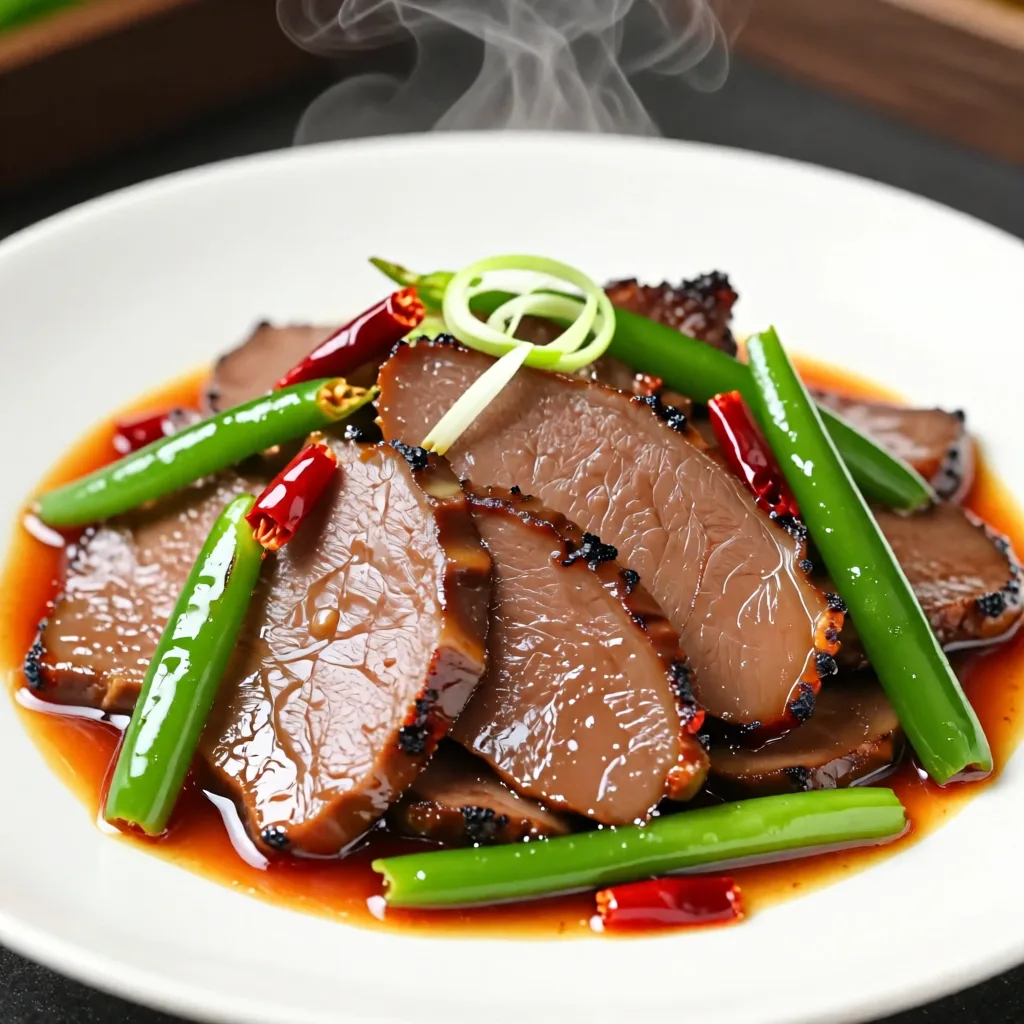
Ingredients
pork liver
200 g
fresh chili peppers
to taste
dried chili peppers
to taste
scallions
to taste
salt
to taste
cooking wine
to taste
soy sauce
to taste
cornstarch
to taste
salad oil
to taste
ginger
to taste
garlic
to taste
Instructions
1
Step 1
Prepare the ingredients. 200 g of pork liver is enough for one plate.
2
Step 2
Prepare the dried chili peppers and Sichuan peppercorns. Prepare the doubanjiang (broad bean paste) and douchi (fermented black beans); do not use too much paste.
3
Step 3
Slice the pork liver as thinly and evenly as possible.
4
Step 4
Place the pork liver in a bowl, add a spoonful of salt, and massage-wash it to remove the blood water. Then soak it in clean water for a while, drain, and transfer to a bowl. Add cooking wine and light soy sauce and massage until evenly mixed. Cut the scallions, ginger, garlic, and chili peppers and set aside.
5
Step 5
Pour oil into a wok. When cooking this type of dish at home, a non-stick pan is easier to handle. Once the oil is hot, pour the marinated pork liver into the pan.
6
Step 6
Quickly stir-fry until the pork liver changes color, then remove it from the pan.
7
Step 7
Add more oil to the pan and stir-fry the aromatics and sauces until fragrant.
8
Step 8
Return the pork liver to the pan.
9
Step 9
Season with soy sauce, cooking wine, and an appropriate amount of salt.
10
Step 10
Just before serving, pour in the cornstarch slurry, mix evenly, and plate. The pork liver should not be overcooked, but it also must not be eaten raw, so control the heat carefully. If you are unsure, it is better to cook it slightly longer to ensure food safety.