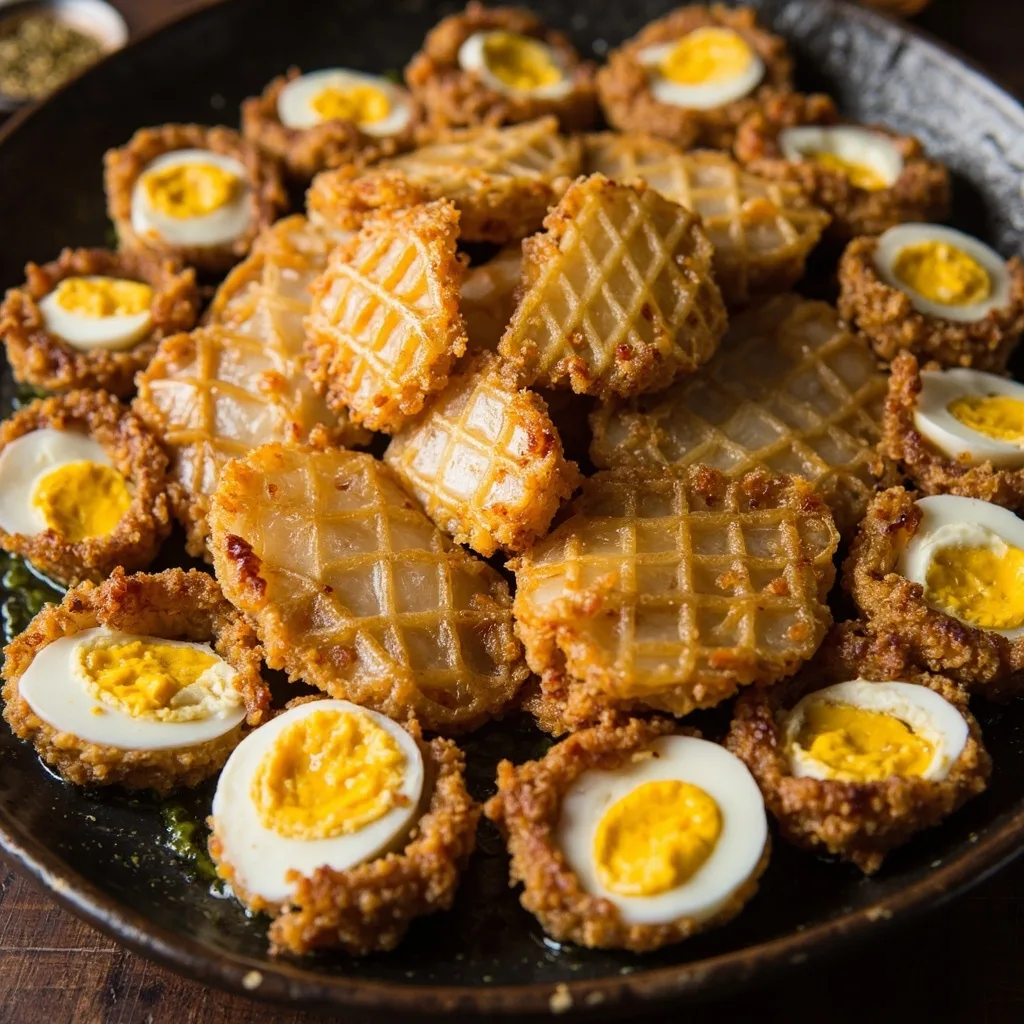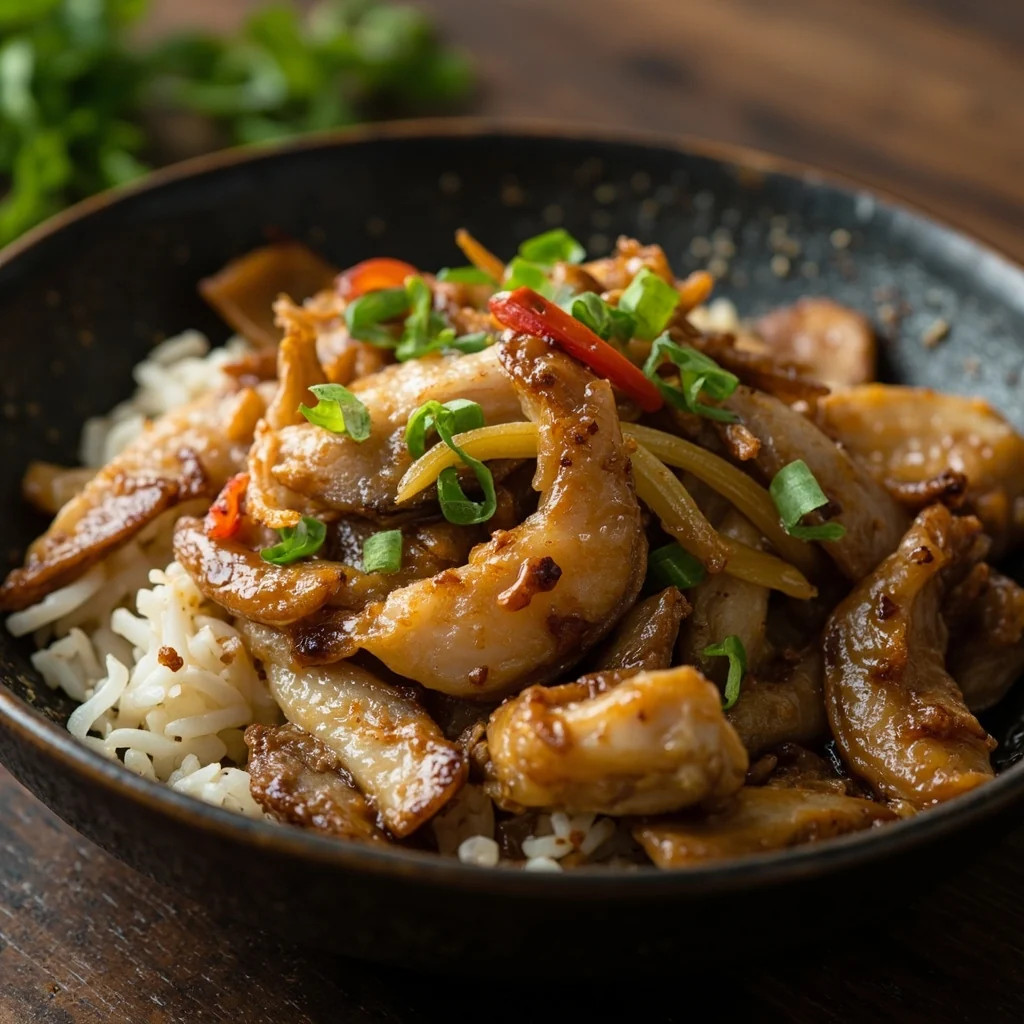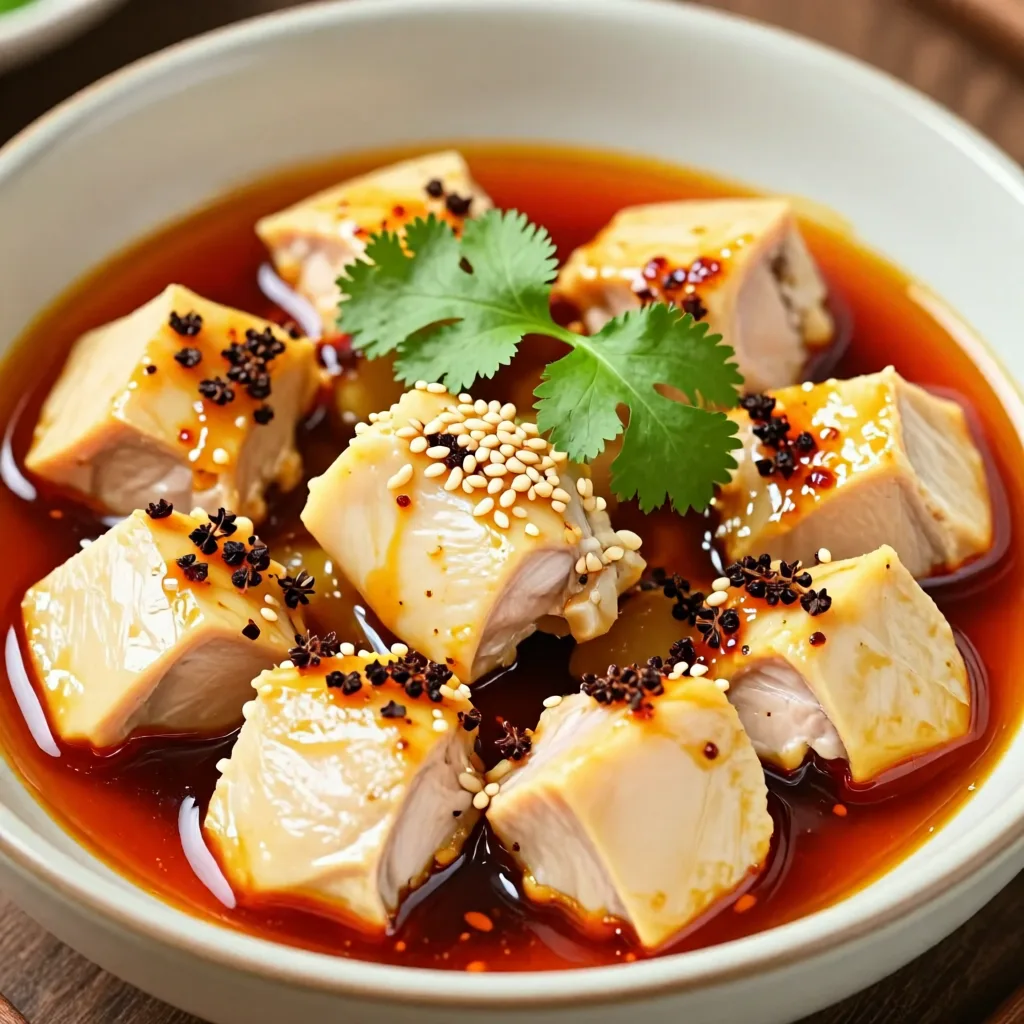
Braised Pork Head Meat
Professional Braised Pork Head Meat Recipe & Production Method (Includes Aromatic Spice & Herb Blend Ratios and Key Tips for Sauce-Braised Dishes)
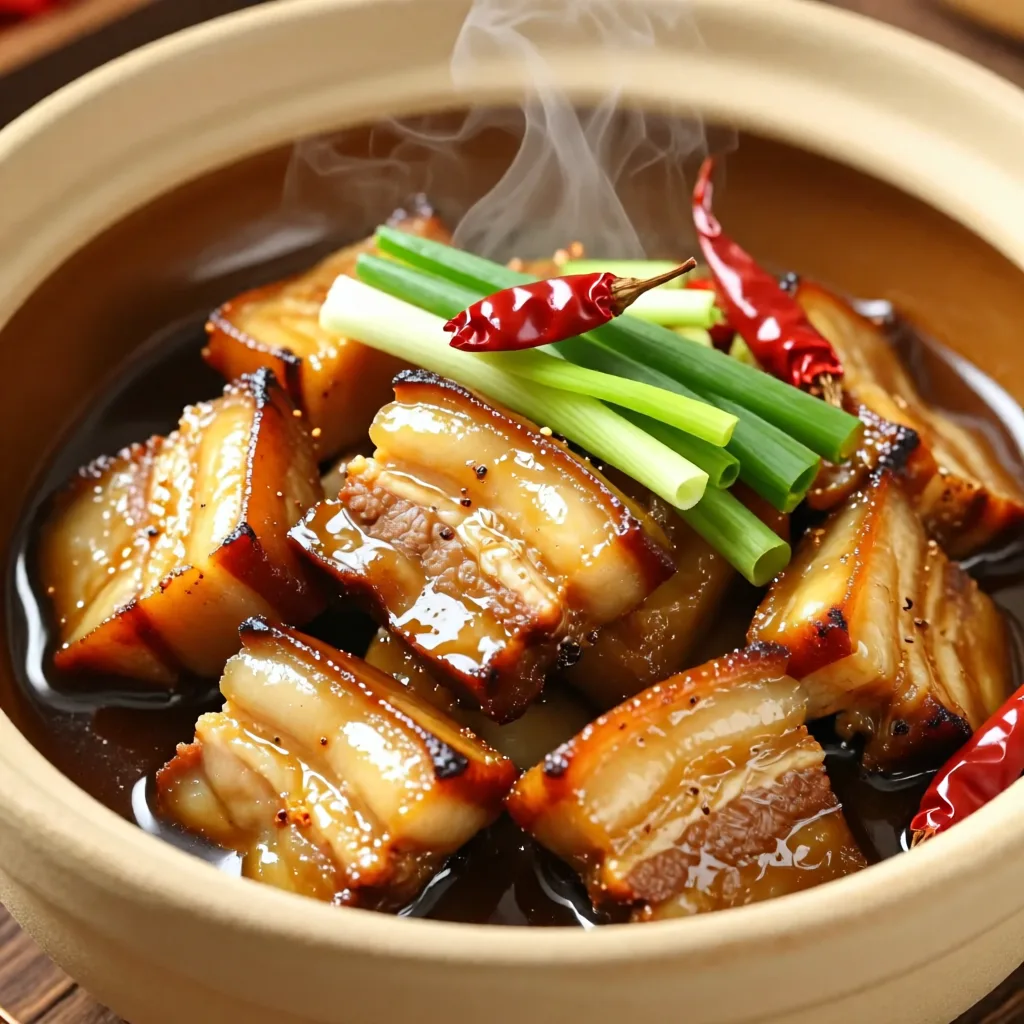
Ingredients
Fresh pork head
100 kg
Table salt
3000 g
Soy sauce
4000 g
Ginger
1500 g
Fresh ginger
200 g
Cooking wine
200 g
Aromatic spices
1580 g
Sichuan peppercorns
200 g
Long pepper
160 g
Sand ginger
160 g
Cloves
60 g
Angelica root
60 g
Cinnamon
300 g
Amomum fruit
240 g
Star anise
400 g
Instructions
1
Step 1
Selection and processing: Use fresh pork heads that meet hygiene inspection requirements as raw materials. Thoroughly scrape off hair, dirt, and grime from the surface of the pork head, facial grooves, ear roots and other areas, and pluck out all remaining hair and hair roots. Place the pork head face down on a cutting board, split it down the middle of the back of the head, remove the pig brain, scrape off the skull, cut off both ears, remove the eye sockets and nose; take out the pork tongue, soak in clean water for 1 hour, then remove, wash, and drain off moisture.
2
Step 2
Braising: Put the washed pork head meat, tongue, and ears into a pot of boiling water and blanch for 15 minutes. Remove, drain, then place into a pot of aged braising stock. Add other seasonings and spices, then add enough water to submerge the pork head. Bring to a rolling boil over high heat, then simmer over low heat for about 2 hours. Remove, and while still hot, debone the pork head, shape it, and it is ready as the finished product. Key points for producing braised and sauce-braised products are described below.
3
Step 3
Preparation of sauce and braising stock: The preparation of sauce and braising stock used in processing braised meat products is a key link affecting product quality. It requires using scientific formulas and high-quality ingredients to create the product's unique flavor and color. Aged stock is extremely important when producing sauce-braised products; the longer the aged stock is used, the better the flavor of the sauce-braised products. When making sauce-braised products for the first time, if there is no aged stock, the ingredients need to be adjusted accordingly. After repeated use, aged stock will accumulate a large amount of sediment that affects product consistency, so it must be filtered regularly to keep the aged stock clean. In industrial production, filtration or purification equipment can be used to complete the purification process. In addition, skim off all foam each time before use, and clean and reboil the stock after use. Aged stock is usually used every day; aged stock that is not used for a long time should be frozen stored or boiled regularly to prevent spoilage.
4
Step 4
Processing and storage of aged stock: Aged stock is an important raw material for processing braised meat products, and good aged stock is a key condition for giving braised meat products their unique flavor. Aged stock contains a large amount of degradation products of protein and fat, and accumulates rich flavor substances, which are important reasons for the unique flavor of braised meat products. However, during storage, these substances are easily utilized by microorganisms, causing the aged stock to spoil; aged stock that has been used repeatedly contains a large amount of residue and meat scraps, which also easily causes the stock to spoil and its flavor to deteriorate. When braising meat with aged stock containing impurities, the impurities will adhere to the surface of the meat, affecting product quality and consistency. Therefore, aged stock must be boiled before use; if it is not used for a long time, it must be boiled regularly and stored at low temperatures. Generally, aged stock that needs to be stored is filtered through a 50-mesh sieve, skimmed of foam and remaining residue, then stored. Store at 0--4°C for future use. In industrial production, to maintain product consistency, mechanical filtration and other measures are usually used to uniformly filter aged stock, ensuring that all raw materials use aged stock that meets unified standards.
5
Step 5
Braising stock preparation in braised meat product production: Braising stock preparation is a key link in the production of braised meat products. Braising stock is made by boiling aged stock with water and seasonings. The quality of braising stock is affected by factors such as the ratio of aged stock to water, the amount of salt and seasonings, boiling method, and amount of water evaporated during boiling. In particular, the ratio of aged stock to water and the amount of water evaporated during boiling directly affect the concentration and saltiness of the braising stock, which has a great impact on product quality, so they must be strictly controlled and adjusted. If too much water evaporates during braising stock preparation for braised meat products, an appropriate amount of water can be added, and an appropriate amount of ginger slices, food coloring, and other spices can be added, while also taking into account the amount of aged stock and adjusting the salt amount accordingly.
6
Step 6
Heat control technology in braised meat product processing: Heat control is an important part of processing braised meat products. Boiling over high heat causes the outer muscle to contract rapidly and intensely, making it difficult for seasonings to gradually penetrate the inside of the product, and the meat will not be tender. The product will be dry, hard, and tasteless, with uneven seasoning inside and out, and the soup will be light and lack meat flavor; simmering over low heat makes it easy for substances and energy to be exchanged inside and outside the muscle, so the product is tender and flavorful both inside and out, and the meat soup is cloudy with a rich aroma, but it usually requires a longer cooking time, and the product is difficult to shape, with a low yield. Therefore, heat control should determine the heating time and heat level based on the product variety and volume, and adjust them at any time as needed. Heat control includes control of heat level and heating time. Except for a few special varieties, the heat level used for heating various products is generally high heat first, then low heat. Usually, the boiling time over high heat is relatively short, and the simmering time over low heat is relatively long. The purpose of using high heat is to make the outer layer of muscle contract appropriately, to maintain the shape of the product and avoid deformation or inability to be removed from the pot after long periods of low heat simmering later; simmering over low heat is to make seasonings gradually penetrate the inside of the product, achieve the goal of even seasoning inside and out, and make the meat tender and flavorful. Heating time and method vary by variety. Products with large volume and large pieces generally have longer heating times. On the contrary, the time can be shorter, but the premise is that the product must be fully cooked.
7
Step 7
Selection of soy sauce in braised meat product processing: Dark soy sauce is mostly used in braised meat products for coloring. Both light soy sauce and dark soy sauce are brewed and fermented soy sauce products. Light soy sauce has a lighter color, lighter soy flavor, heavier saltiness, and a fresher taste, and is mostly used for seasoning; dark soy sauce has a darker color, is brown, has a rich soy flavor, and lower freshness, so there are products such as mushroom-infused dark soy sauce that add straw mushrooms to improve their freshness. Dark soy sauce is generally used to color food, such as for making braised dishes.
8
Step 8
Control of sticking to the pot or floating to the surface during braising: During the braising process of braised meat products, due to the boiling of the braising stock, some products will float to the surface and not be fully submerged, leading to these meats not absorbing flavor or not being cooked through. Therefore, at the start of cooking, stainless steel mesh or racks are usually used to press down the products, with heavy objects placed on top to keep them below the water surface, so that all products can absorb flavor and ensure consistent product quality. In addition, during braising, products that are in contact with the pot for a long time may stick to the pot, so sometimes racks or stainless steel mesh are placed under the meat to separate it from the pot, avoiding sticking.
9
Step 9
Clarification of braising stock in braised meat production: In addition to most of the water, the braising juice contains various spice extracts, aromatic substances, and most of the pigments. These substances undergo more complex physical and chemical changes in a hot environment, forming the unique braised flavor. However, these substances will also cause the braising stock to become cloudy, affecting the processing quality of the product. Using food processing-specific clarifiers and adsorbents can remove some impurities and pigments from the braising juice, but will weaken the taste of the braising stock to a certain extent. During production, this can be controlled by adjusting heat level and ingredients, for example, using low heat and increasing the amount of angelica root in the spice blend can reduce cloudiness. Filtering the braising stock immediately after use can keep it clear.
10
Step 10
Sugar coloring preparation and temperature control: Sugar coloring is frequently used in the production of braised meat products, and the quality of sugar coloring has a great impact on the appearance of the product. Sugar coloring is formed by caramelizing sugar solution under suitable temperature conditions, and temperature control is the key. If the temperature is too low, caramelization reaction will not occur or will be insufficient, resulting in light-colored sugar coloring; if the temperature is too high, the caramel will carbonize, resulting in dark, black sugar coloring with a bitter taste. Therefore, neither too high nor too low temperature can produce good sugar coloring. When the temperature is insufficient: add a small amount of cooking oil to the pot first. After the oil is heated, the temperature is higher, which can ensure caramelization of the sugar solution and avoid sticking to the pot. During the preparation process, strictly control high heat to avoid bitter sugar coloring caused by excessive heat.