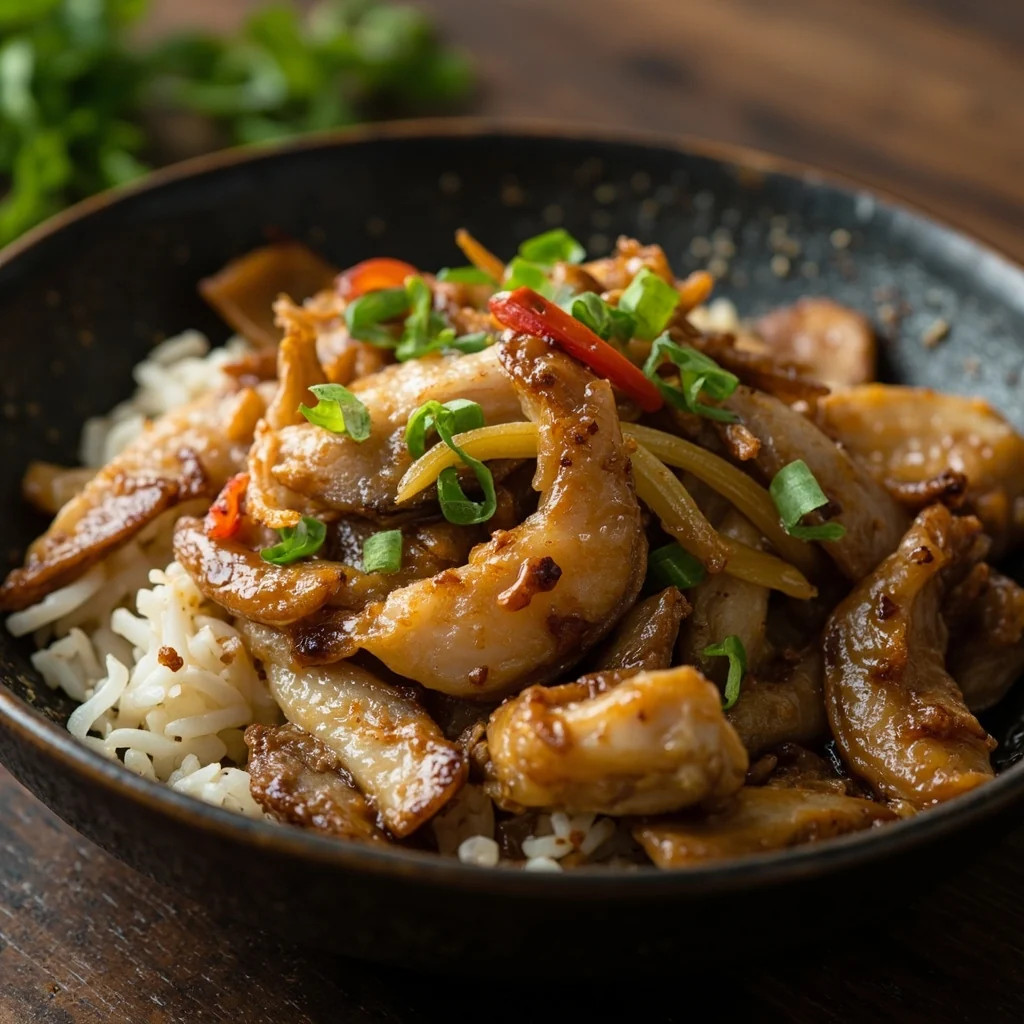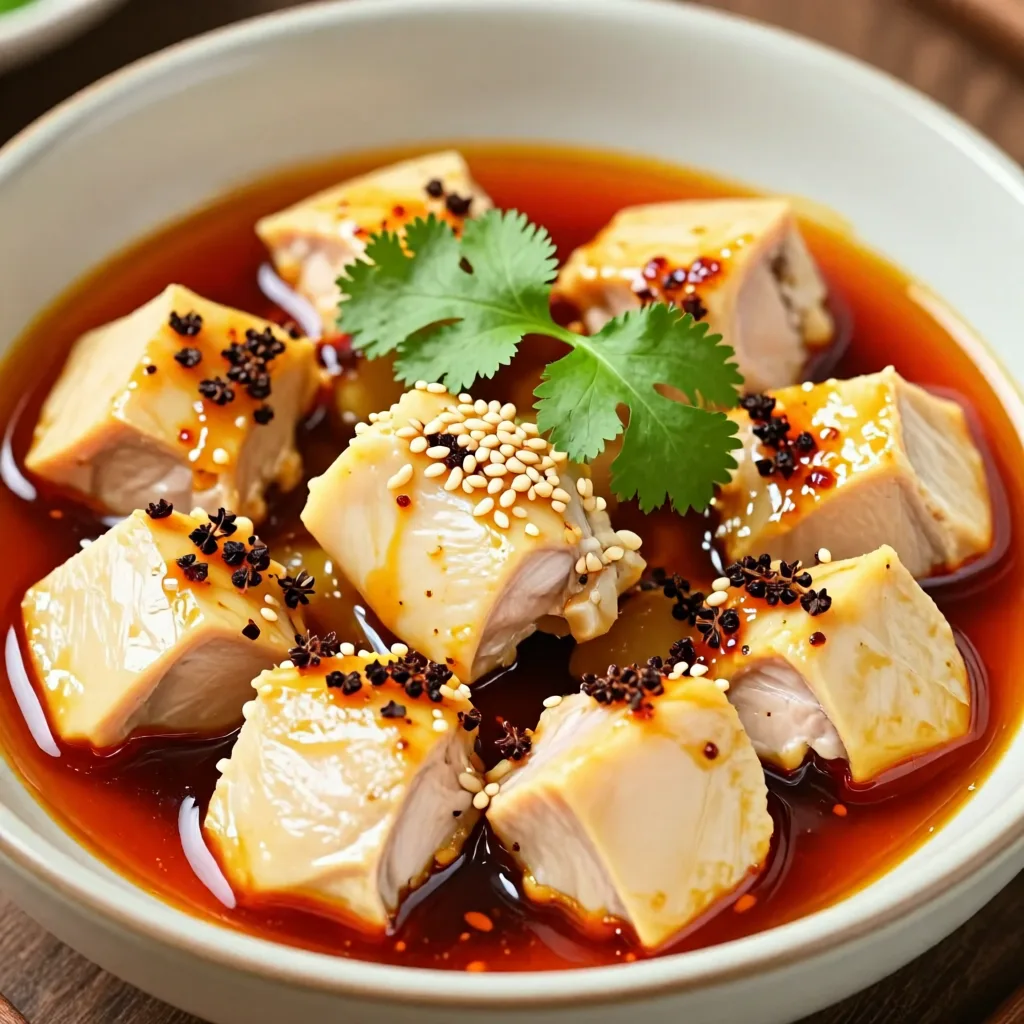
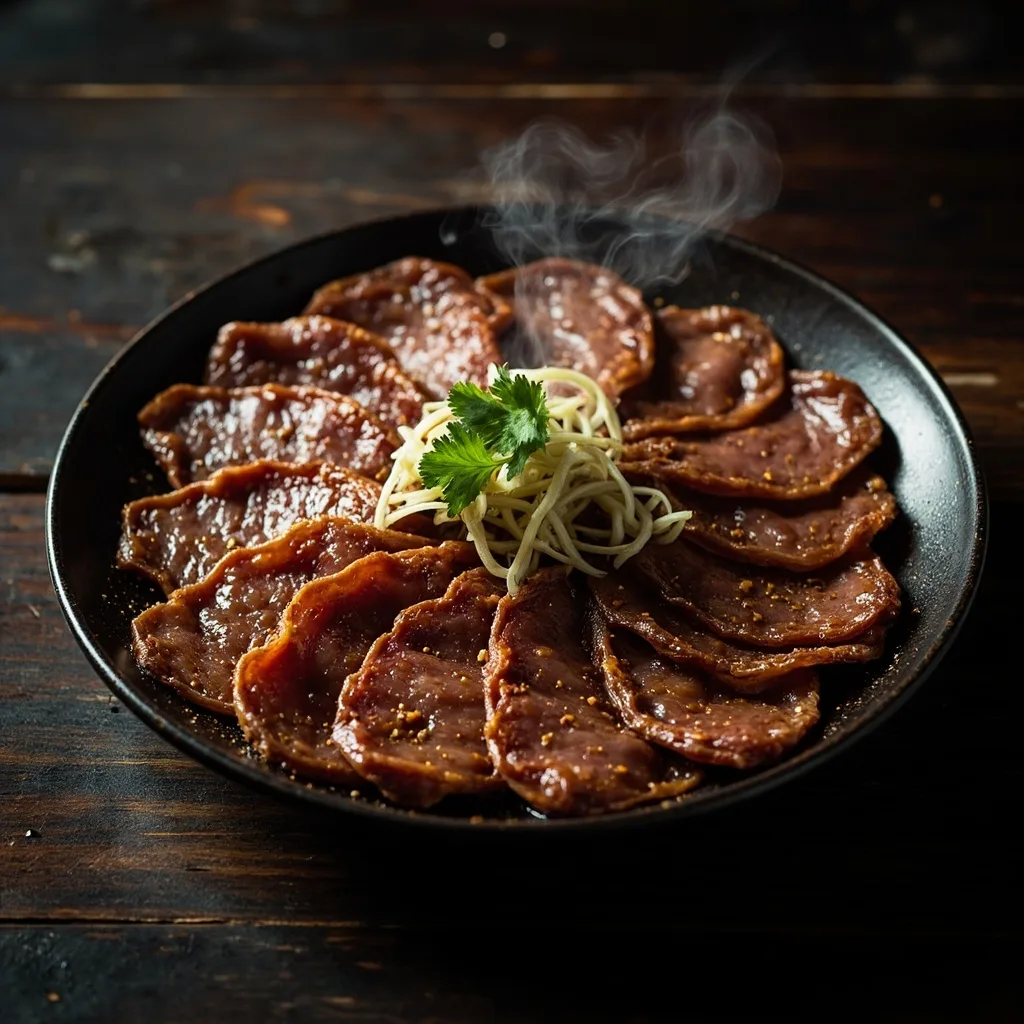
Five-Spice Donkey Meat
Five-Spice Donkey Meat: Ingredients and Preparation
Ingredients
Fresh donkey meat
100 kg
Salt
4 kg
Potassium nitrate
300 g
Cooking wine
500 g
Spice mix
3800 g
Sichuan peppercorn
300 g
Galangal
700 g
Star anise
500 g
Clove
200 g
Black cardamom
200 g
Cardamom
500 g
Licorice root
200 g
Hawthorn
400 g
Dried tangerine peel
500 g
Cinnamon
300 g
Instructions
1
Step 1: Curing
Curing: Debone the donkey meat, remove the tendons and membranes, and cut it into pieces of about 1000 grams for curing. In summer, use quick curing: for every 100 kg of donkey meat, use 10 kg salt, 300 g potassium nitrate, and 500 g cooking wine. Rub the seasonings evenly into the meat, then place in a curing pool or jar, turning once every 10 hours, and cure for 3 days. In spring, autumn, and winter, mainly use slow curing: for every 100 kg of donkey meat, use 4 kg salt, 200 g potassium nitrate, and 500 g cooking wine, cure for 5 days, turning the meat once a day.
2
Step 2: Soaking
Soaking: Place the cured donkey meat in clean water and soak for 1 hour, then rinse it, remove, and place on a cutting board to drain off the water.
3
Step 3: Braising
Braising: First, add clean water to the old broth and bring to a boil, skimming off the foam. When the water is at a rolling boil, place the meat pieces into the pot. Once it boils again, skim off the foam, then add the spice mix to the pot. Bring to a boil over high heat and cook for 2 hours, then switch to low heat and simmer for 5 hours. Remove from the pot to obtain the finished product.
Key Points for Sauce-Braised Products:
4
Step 4: Sauce and Broth Preparation
Preparation of sauces and broth: The preparation of sauces and broth used in the processing of sauce-braised meat products is a key link affecting product quality, requiring scientific formulation, the selection of high-quality ingredients, and the development of the product's unique flavor and color. When producing sauce or brine products, the old broth is extremely important — the longer the old broth, the better the flavor of the sauce and brine products. When making sauce or brine products for the first time, if there is no old broth, the seasoning must be adjusted accordingly. After repeated use, the old broth will accumulate large amounts of sediment, affecting product consistency, and must be filtered regularly to keep the broth clean. In industrial production, filtration or purification equipment can be used to complete the purification process. In addition, the foam should be skimmed off each time the broth is used, and the broth should be cleaned and brought back to a boil after use. Generally, the old broth is used daily, and any old broth not used for an extended time should be frozen for storage or regularly reboiled to prevent spoilage.
5
Step 5: Old Broth Handling and Storage
Handling and storing the old broth: The old broth is an important raw material in the processing of sauce-braised meat products, and a well-maintained old broth is an important condition for producing the unique flavor of these products. Old broth contains large amounts of protein and fat degradation products and accumulates rich flavor substances, which are the important reasons the unique flavor of sauce-braised meat products forms. However, during storage, these substances are easily utilized by microorganisms, causing the old broth to spoil; old broth used repeatedly also contains large amounts of residue and meat scraps, easily leading to spoilage and flavor deterioration. When braising meat in old broth containing impurities, the impurities adhere to the surface of the meat, affecting product quality and consistency. Therefore, the old broth must be boiled before use; if not used for a long time, it must be regularly boiled and stored at low temperature. Generally, when preparing old broth for storage, filter it through a 50-mesh wire screen, skim off the foam and any residual residue, and then place it in storage. Store at 0–4°C, ready for use. In industrial production, to maintain product quality consistency, mechanical filtration and other measures are typically used to uniformly filter the old broth, ensuring that all raw materials use a uniform standard of old broth.
6
Step 6: Broth Preparation
Broth preparation in sauce-braised meat production: Broth preparation is a key link in the production of sauce-braised meat products. Broth is made by boiling old broth together with water and seasonings. The quality of the broth is affected by factors such as the ratio of old broth to water, the amounts of salt and seasonings, the boiling method, and the amount of water evaporation during boiling. In particular, the ratio of old broth to water and the amount of water evaporated during boiling directly affect the concentration and salinity of the broth and have a major impact on product quality, and must therefore be strictly controlled and adjusted. When making broth for sauce-braised meat products, if too much water evaporates, an appropriate amount of water can be replenished, along with the addition of ginger slices, coloring, and other spices as needed, while taking into account the amount of old broth and adjusting the amount of salt added.
7
Step 7: Heat Control Techniques
Heat control during the processing of sauce-braised meat products: Heat control is an important link in processing sauce-braised meat products. Cooking over high heat causes the outer muscle to contract rapidly and strongly, making it difficult for the seasonings to gradually penetrate the product, resulting in meat that is dry and hard, with uneven saltiness inside and out, and broth that is thin with little meat flavor; cooking over low heat allows material and energy exchange to occur easily between the inside and outside of the muscle, producing meat that is tender and flavorful throughout, with milky and richly aromatic broth, but often requires a longer cooking time, and the product is difficult to shape, with a low yield. Therefore, heat control should determine heating time and intensity according to the variety and size of the product, with adjustments made as needed.
Heat control includes both the control of fire intensity and the control of heating time. Except for a few varieties, the fire intensity for most products is generally first high heat and then low heat. Usually the time spent at high heat is relatively short, while the time spent at low heat is relatively long. The purpose of using high heat is to make the surface of the muscle contract appropriately to preserve the product's shape, preventing the product from losing its shape or being unable to be removed from the pot during the subsequent long low-heat cook; low-heat cooking is intended to allow the seasonings to gradually penetrate the product, achieving even saltiness inside and out, and making the meat tender and flavorful. Heating time and method vary by variety. Larger products with bigger pieces generally require longer heating times. Conversely, the time can be shortened, but only on the condition that the product is fully cooked.
8
Step 8: Soy Sauce Selection
Selection of soy sauce in sauce-braised meat processing: Sauce-braised meat products typically use dark soy sauce, which is used for coloring. Both light soy sauce and dark soy sauce are brewed and fermented soy sauces. Light soy sauce has a lighter color, milder soy flavor, stronger saltiness, and richer umami, and is mostly used for seasoning; dark soy sauce has a deeper, brownish color, a rich soy flavor, and lower umami, which is why products such as straw mushroom dark soy sauce add straw mushrooms to enhance umami. Dark soy sauce is generally used for coloring foods, such as in red-braised dishes.
9
Step 9: Floating and Sticking Control
Controlling floating above the liquid and sticking during braising: During the braising of sauce-braised meat products, the boiling action of the broth can cause some products to float above the liquid and not be cooked, leaving those pieces unflavored or undercooked. Therefore, when starting to cook, a stainless steel mesh or rack is typically used to press the product down, weighted with a heavy object on top to keep it submerged, ensuring that all products are evenly flavored and that product quality is consistent. In addition, during prolonged braising, products in long contact with the pot may stick, so a rack or stainless steel mesh is sometimes placed under the meat to separate it from the pot and prevent sticking.
10
Step 10: Broth Clarification
Clarification of the broth in sauce-braised meat production: In addition to the majority of water, the brine also contains many types of spice extracts, aromatic substances, and most of the pigments. These substances undergo further complex physical and chemical changes in a hot environment, producing the characteristic braised flavor. At the same time, however, these substances can also cause the broth to become turbid, affecting the processing quality of the product. Food-processing-specific clarifying agents and adsorbents can remove some of the impurities and pigments from the brine, but they will weaken the broth's flavor to some extent. The production process can control this through fire management and adjustment of the seasoning mix — for example, using low heat and adding more angelica (bai zhi) to the mix can reduce turbidity. Filtering the broth immediately after use helps maintain a clear state.
11
Step 11: Caramel Coloring
Preparation and temperature control of caramel coloring: Caramel coloring is frequently used in the production of sauce-braised meat products, and the quality of the caramel prepared has a significant impact on the appearance of the product. Caramel color is produced by caramelizing the sugar syrup under suitable temperature conditions, with temperature control being the key factor. If the temperature is too low, the caramelization reaction will not occur or will be insufficient, producing a light-colored caramel; if the temperature is too high, the sugar caramelizes and carbonizes, producing a dark, blackish caramel with a bitter taste. Therefore, neither too high nor too low a temperature can produce a good caramel. When the temperature is insufficient, a small amount of edible oil can be added to the pot. Once the oil is heated to a higher temperature, it ensures that the sugar syrup undergoes caramelization and avoids sticking. During the process, the temperature must be strictly controlled to prevent excessive heat from making the caramel bitter.