French Country Bread
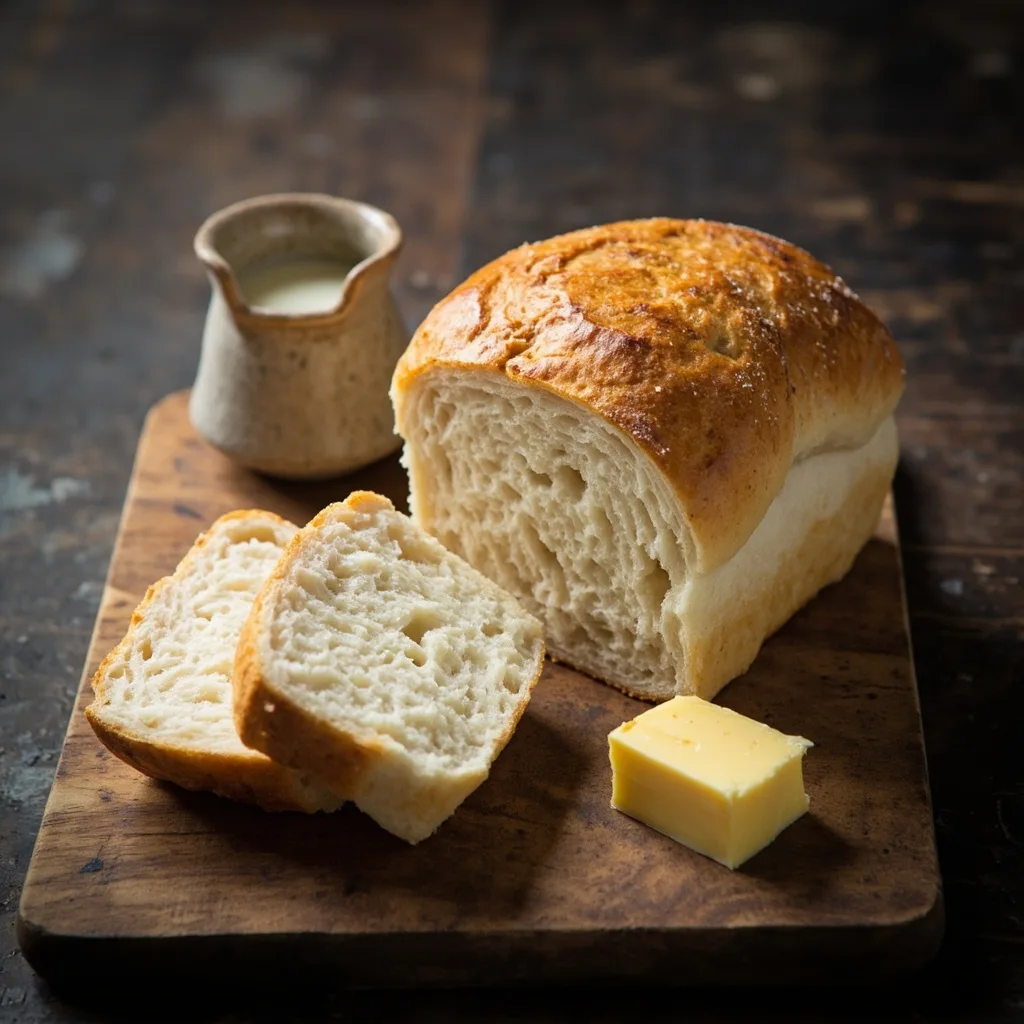
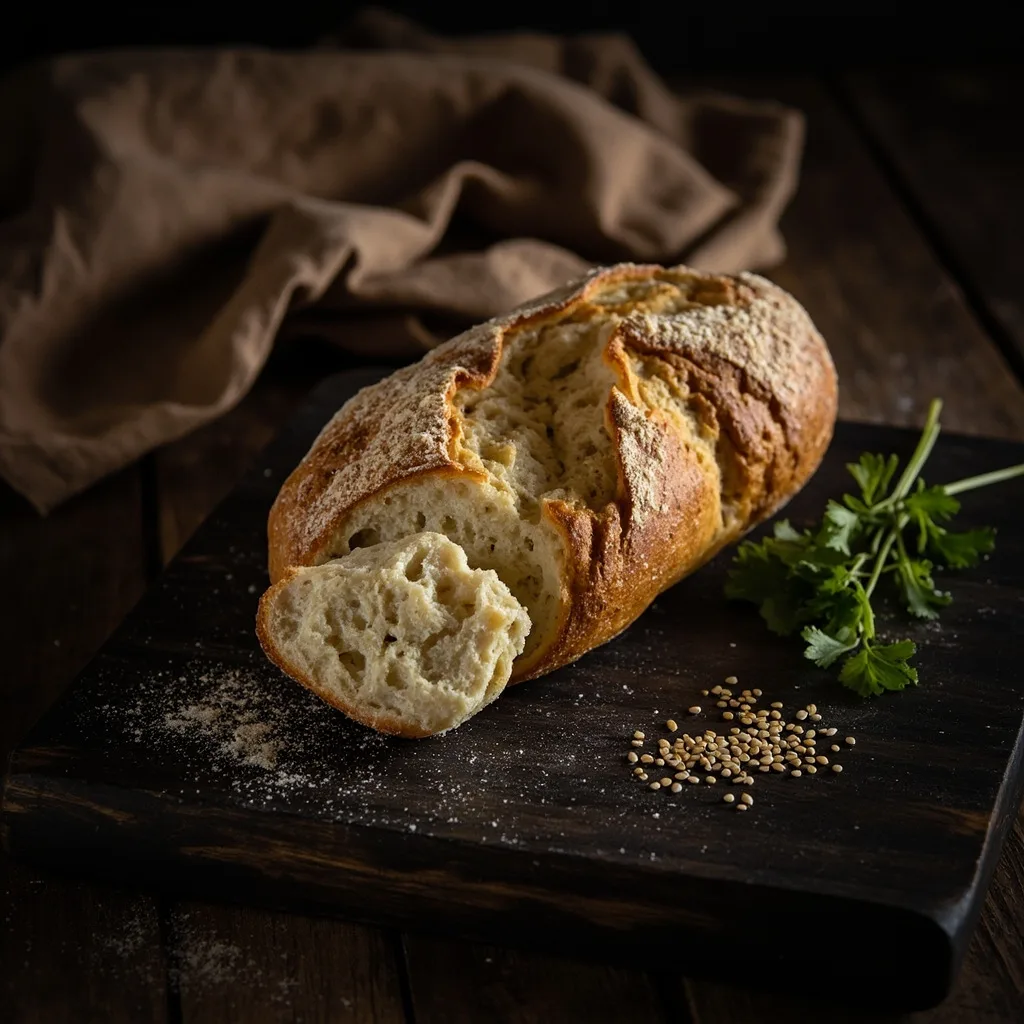
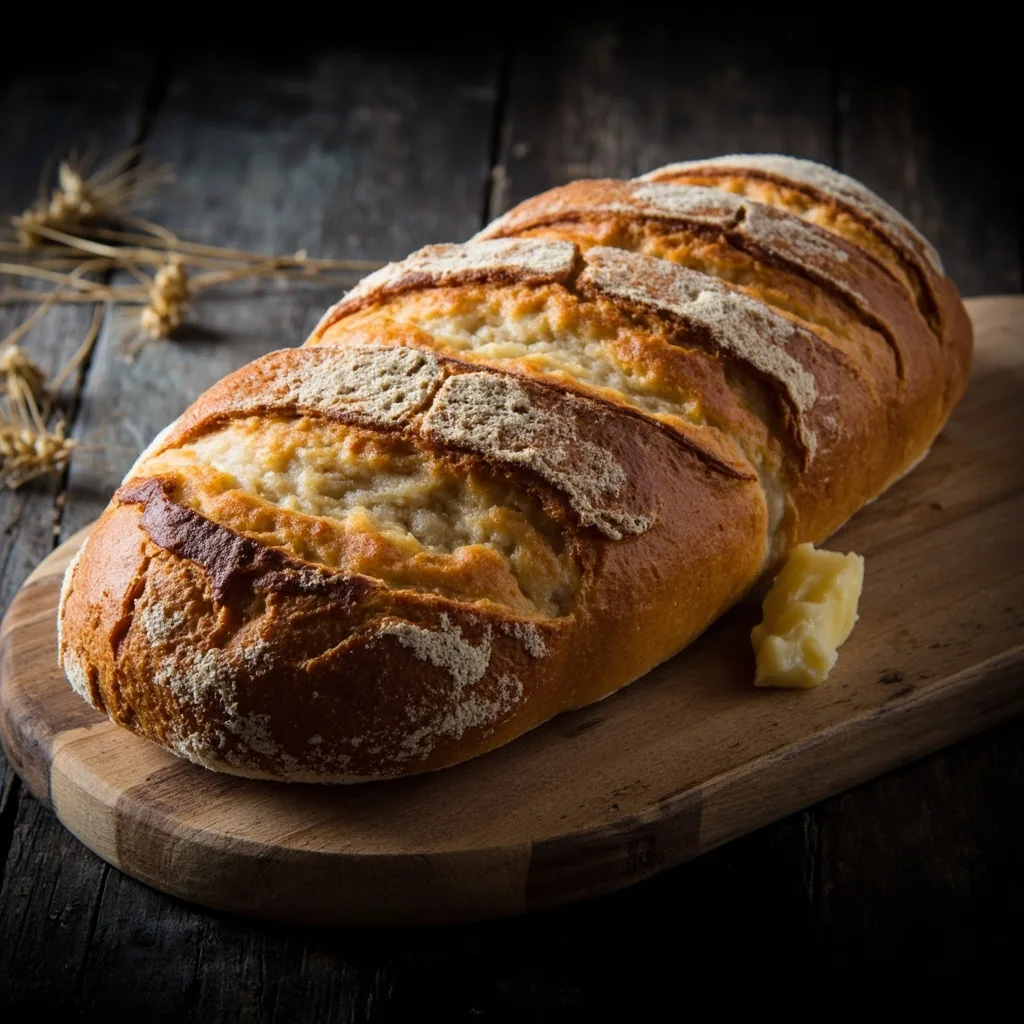
Rustic hard-crusted French country sourdough bread, made with a fermented starter and available in both baguette and round shapes.
Ingredients
Special flour for French bread (France, for making French bread dough)
100 g
Salt (for making French bread dough)
2 g
Instant dry yeast (for making French bread dough)
1 g
Water (for making French bread dough)
65 ml
Special flour for French bread (France, for making leaven)
250 g
Salt (for making leaven)
5 g
French bread dough (taken from the above-made dough, for making leaven)
15 g
Water (for making leaven)
165 ml
Special flour for French bread (France, for making the final dough)
213 g
Rye flour
37 g
Salt
5 g
Instant dry yeast
1.5 g
Malt sugar
1 g
Water
170 ml
Vitamin C solution (mixed from 1ml L-ascorbic acid and 100ml water)
1/5 cup
Leaven (made using the previously described steps)
all
Dusting flour, oil, special flour for French bread (for oiling the mixing bowl and dusting the proofing basket)
to taste
Instructions
1
Make French Bread Dough
Add special flour for French bread (100g), salt (2g), and instant dry yeast (1g) to a mixing bowl. Pour in 65ml of water and stir in a circular motion with your finger. When the dough comes together into a cohesive ball, transfer it to a kneading surface and scrape any dough stuck to your hands off. Let the dough ferment for 1 to 3 hours in a spot with a temperature of 28~32°C, taking care to prevent it from drying out.
2
Make Leaven
Take 15g of the fermented dough from the previous step. Add this 15g of dough, special flour for French bread (250g), and salt (5g) to a mixing bowl and mix together. Add 165ml of water, then stir in a circular motion with your finger. When the dough forms a ball, transfer it to a kneading surface and scrape any dough off your hands. Place the dough back in the mixing bowl, press and knead it by hand. When the dough is kneaded to the consistency shown in the reference photo, let it ferment for 15 to 20 hours in a spot with a temperature of 22~25°C.
3
Knead the Final Dough
Remove the leaven made the day before. In a mixing bowl, dissolve 170ml of water and 1g of malt sugar, then stir in 1/5 cup of vitamin C solution. In a larger mixing bowl, combine special flour for French bread (213g), rye flour (37g), salt (5g), and instant dry yeast (1.5g). Cut the leaven into pieces and add it to the large bowl, along with the dissolved liquid mixture. Use your hands to grab and mix all ingredients in the bowl. When the dough comes together into a ball, transfer it to a kneading surface and scrape any dough off your hands.
4
Knead Dough (Slap Method)
Hold the dough in both hands, rubbing it up and down while tearing it against the kneading surface. Continue kneading until the entire dough has an even texture, then stop. Insert your fingers under the bottom of the dough, lift it up, flip it over, and slap it firmly on the kneading board. Knead the dough in your hands together with the slapped portion. Repeat this process for 3 minutes. Check that a gluten network film has formed; it should have small irregular holes as shown in the photo.
5
Knead Dough (Press Method)
Fold the dough from the far side toward you, then use the palm of your hand to push the dough toward the far side. Repeat this motion, adjusting the dough's angle occasionally, for about 5 minutes. After kneading the dough for roughly 8 minutes total (including 5 minutes of pressing and kneading), the dough will become very elastic. Confirm that a gluten network film has formed.
6
First Fermentation
Lightly oil a mixing bowl, place the dough inside, and let it ferment for about 90 minutes in a spot with a temperature of 28~30°C, making sure to keep it moist.
7
Degas and Second Fermentation
Sprinkle dusting flour over your kneading surface. Take the dough out of the bowl and place it on the floured surface. Dust your palms with a little dusting flour as well. Gently press the dough flat with your hand. Fold the dough into thirds, then fold the left and right sides into thirds too. Return the dough to the oiled mixing bowl and let it ferment again for about 45 minutes in a 28~30°C spot, keeping it moist.
8
Divide and Pre-shape
Sprinkle dusting flour on the kneading surface. Take the dough out and place it on the floured surface. Use a dough cutter to split the dough into two equal portions, each weighing around 420g is ideal. Fold each portion in half, then knead it from the opposite side toward you. Adjust the dough's direction and roll it into a tight round shape, repeating the motion as needed. Cover the shaped dough with plastic wrap and let it bench rest for about 20 minutes.
9
Shape (Round Loaf)
Evenly sift special flour for French bread into a round proofing basket. Sprinkle dusting flour on the kneading surface. Place the dough on the floured surface with the sealed side facing down, then press it flat with your hand. Follow the pre-shaping steps to roll the dough into a smooth round. Flip the dough over and pinch the bottom seam closed tightly with your fingers. Place the dough in the round proofing basket with the sealed side facing up, and press it gently to secure it.
10
Shape (Batard Loaf)
Place the dough on the kneading surface and gently press it into an oval shape. Orient the dough vertically, fold it into thirds, then fold the left and right sides into thirds, pressing the seam flat with your hand. Fold the dough in half again, pressing the sealed edge firmly with your palm. Turn the dough so the sealed side is facing up, then pinch the seam tightly with your fingers. Place the dough in a rectangular proofing basket with the sealed side facing up, pressing it gently to hold its shape.
11
Final Proof
Let the dough proof for 70 to 90 minutes in a spot with a temperature of around 32°C.
12
Bake
Place a sheet of baking paper on the kneading surface, then carefully invert the proofing basket to pour the dough out onto the paper. Preheat your baking tray in the oven ahead of time. Cut 2 diagonal slashes on the top of the batard-shaped dough with a dough blade. Press small decorative holes into the round dough with chopsticks. Carefully transfer the dough along with the baking paper onto the preheated baking tray, then spray the dough thoroughly with a spray bottle of water. First bake at approximately 240°C for about 15 minutes, then lower the temperature to 220°C and bake for another 25 minutes.