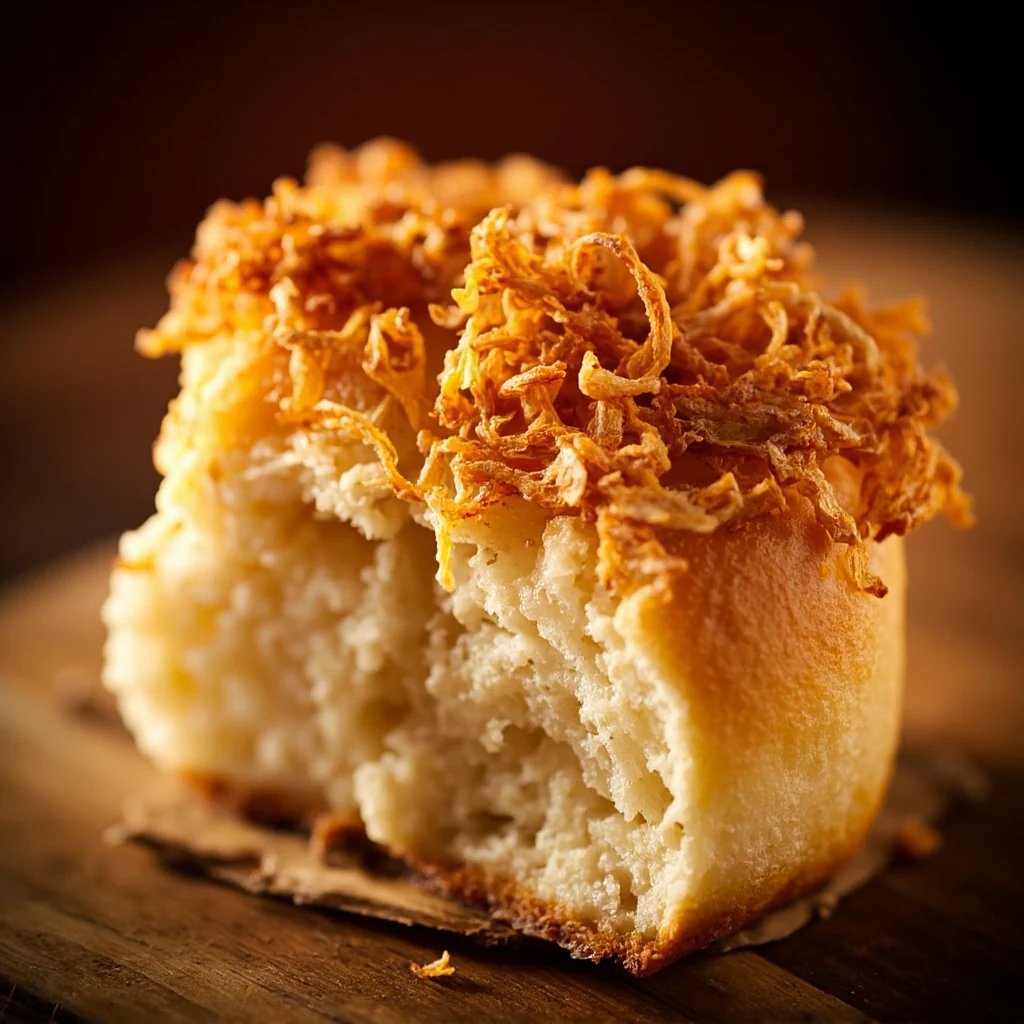
Pain à l'Ancienne Rustic Bread
A high-hydration, cold-fermented dough for ciabatta or mini baguettes, with gluten developed through stretch-and-folds.
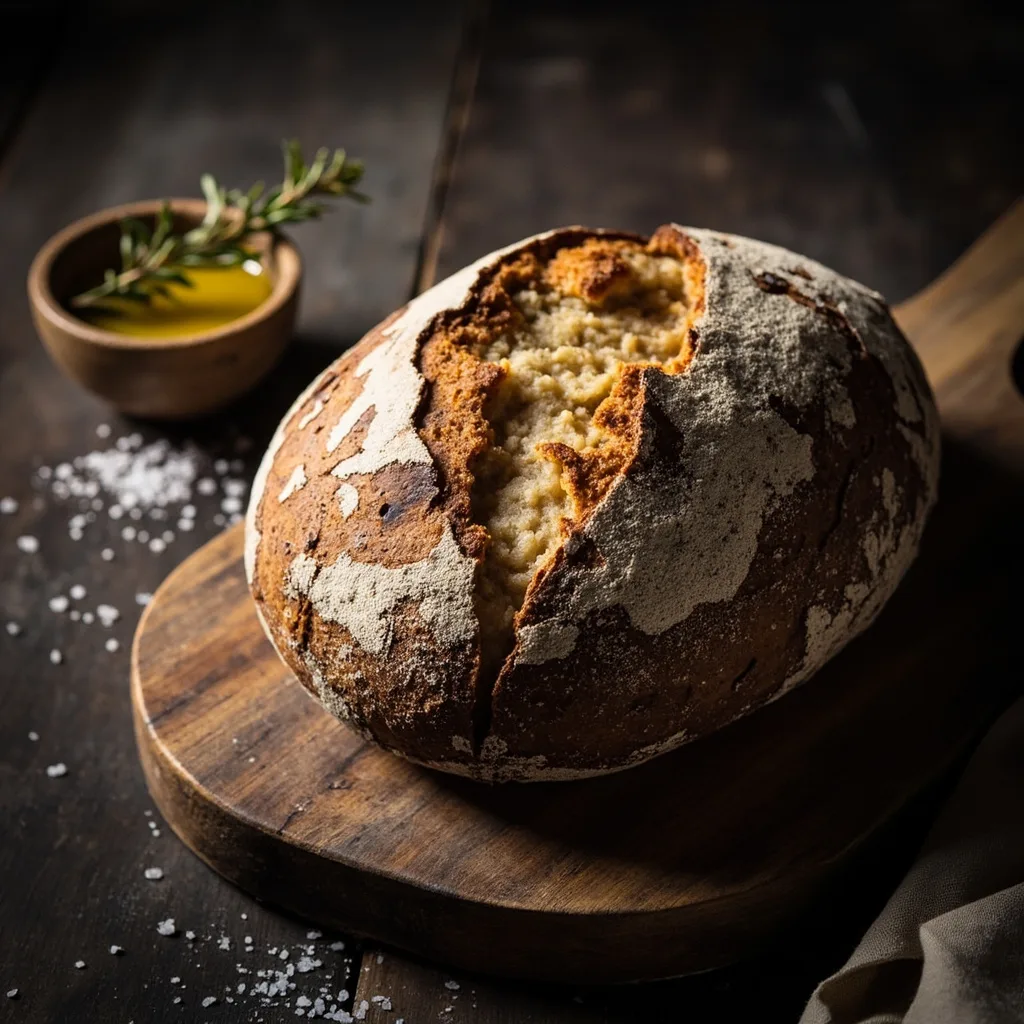
Ingredients
unbleached bread flour
4½ cups (20 oz / 567 g)
salt (or 2½ teaspoons coarse kosher salt)
1¾ teaspoons (0.4 oz / 11 g)
instant yeast
1¼ teaspoons (0.14 oz / 4 g)
chilled water (about 55°F or 13°C)
2 cups (16 oz / 454 g)
olive oil (for ciabatta only)
1 tablespoon (0.5 oz / 14 g)
Instructions
1
Mixing
Combine the flour, salt, yeast, and water in a mixing bowl. If using a stand mixer, mix with the paddle attachment at the lowest speed for 1 minute. If mixing by hand, stir with a large spoon for about 1 minute until well combined. The dough should be rough and sticky. Let the dough rest for 5 minutes to fully hydrate the flour.
2
Adding Fat
If making ciabatta, drizzle the olive oil over the dough; if making mini baguettes, omit the fat. Then mix with the paddle attachment at medium-low speed, or stir by hand with a wet spoon or wet hands for 1 minute. The dough will become smoother but will still be very soft, sticky, and wet. Transfer the dough to a clean, lightly oiled bowl using a wet spatula. Cover with plastic wrap and let the dough rest at room temperature for 10 minutes.
3
Stretch and Fold
Transfer the dough to a lightly oiled work surface. With wet or oiled hands, reach under the front end of the dough, pull it out, and fold it back over the top of the dough. Repeat this action for the back end and the two sides, then flip the dough over and shape it into a ball. The dough will become noticeably firmer but will still be very soft and delicate. Return the dough to the bowl, cover, and let rest at room temperature for 10 minutes. Repeat this process 3 times, completing all repetitions within 40 minutes.
4
Cold Retardation
After the final stretch and fold, immediately cover the bowl tightly and refrigerate overnight or for up to 4 days. The dough will rise in the refrigerator, potentially doubling in volume.
5
Warming Up
Remove the dough from the refrigerator about 1 hour (for mini baguettes) or 3 hours (for ciabatta, or 1 hour earlier if the dough did not rise to 1.5 times its size in the refrigerator) before baking.
6
Shaping (Ciabatta)
When making ciabatta, 1 hour after removing the dough from the refrigerator, flip a baking sheet upside down and line it with parchment paper, then dust generously with flour. Using a wet or oiled bench scraper, transfer the dough to the work surface, handling it as little as possible to avoid deflating. Dust the surface of the dough with flour, and dust your hands as well. Gently pat the dough into a rough 9-inch square using your hands or a metal bench scraper. Cut small ciabatta into 3 strips (about 3 inches wide by 9 inches long); cut large ciabatta in half. Using floured hands, fold the dough into thirds like folding a letter, without applying any pressure.