French Black Rye Bread
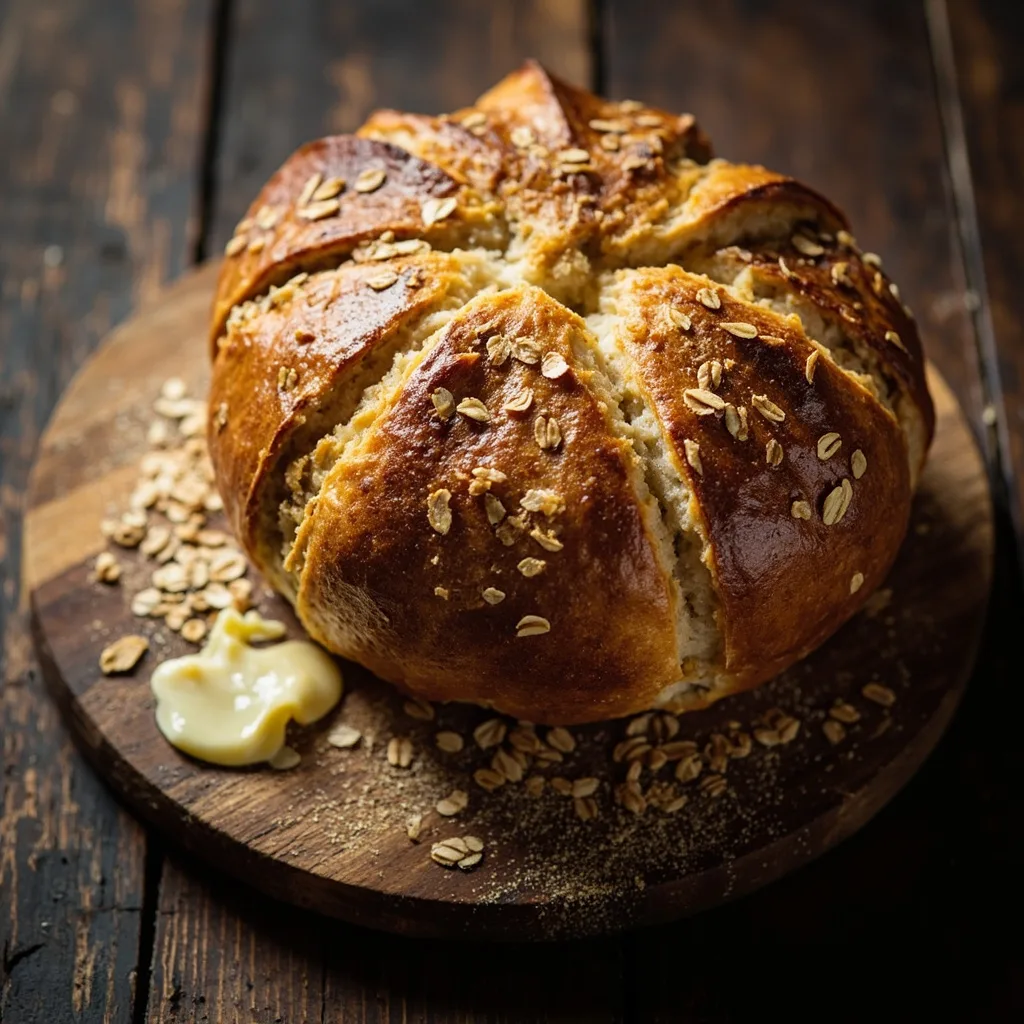
A crusty hard-style French rye bread made with a fermented starter and a high proportion of rye flour, packed with walnuts and dried apricots.
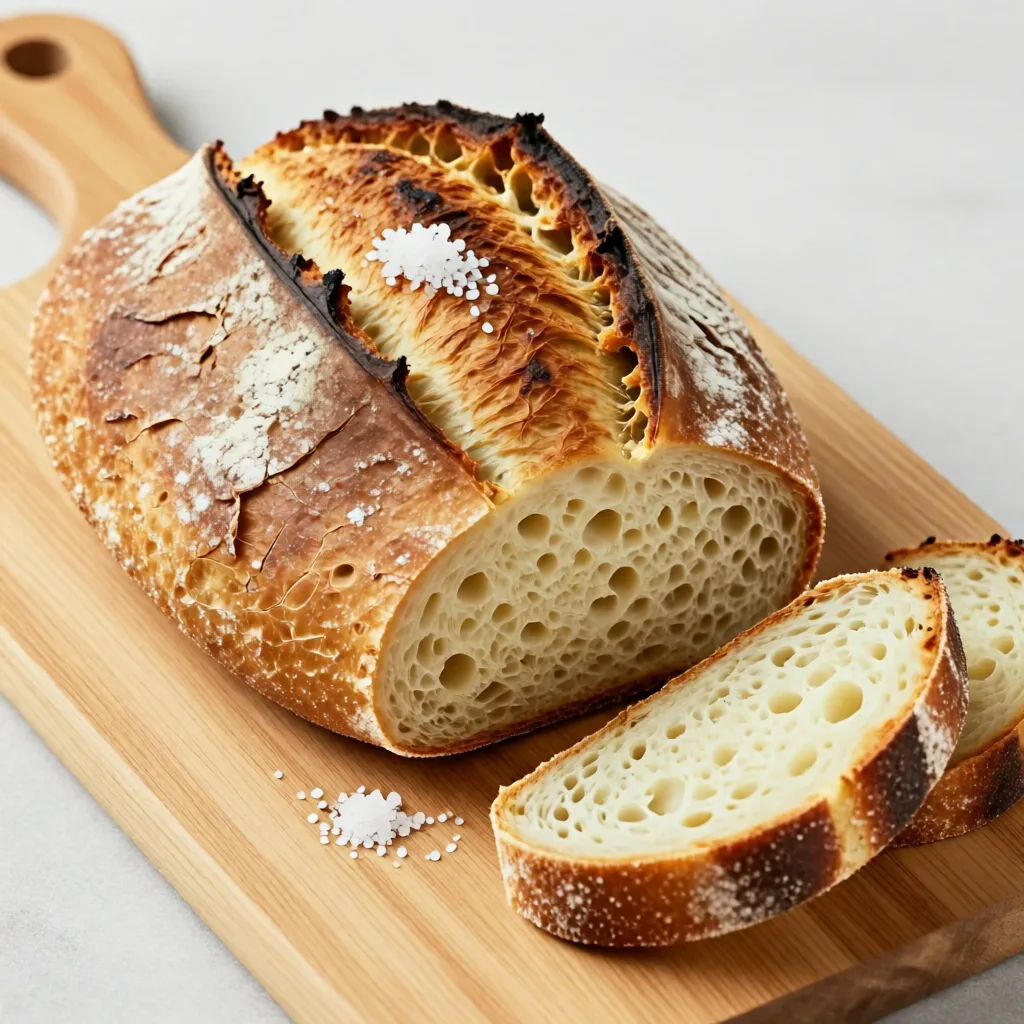
Ingredients
French bread flour (France) (for making French bread dough)
100 g
Salt (for making French bread dough)
2 g
Instant dry yeast (for making French bread dough)
1 g
Water (for making French bread dough)
65 ml
French bread flour (France) (for making the starter)
150 g
Salt (for making the starter)
3 g
French bread dough (taken from the above French bread dough, for the starter)
9 g
Water (for making the starter)
94 ml
French bread flour (France) (for the final kneading)
50 g
Rye flour
200 g
Starter (using the starter made above)
250 g
Salt
5 g
Instant dry yeast
2 g
Malt syrup
1 g
Water
158 ml
Walnuts (crushed)
30 g
Dried apricots (finely chopped)
30 g
Oil (for greasing the bowl)
to taste
Instructions
1
Making the French Bread Dough
Refer to P158 steps 1–6 to make the French bread dough (French bread flour 100 g, salt 2 g, instant dry yeast 1 g, water 65 ml), and ferment for 1–3 hours at 28–30 °C.
2
Making the Starter
Make the starter. Take 9 g from the fermented dough. Place the 9 g of dough, 150 g French bread flour, and 3 g salt into a bowl and mix. Add 94 ml water and stir in circular motions with your fingers. When the dough gathers into a single mass, transfer it to the work surface and scrape off any dough stuck to your hands. Hold the dough with both hands, stretching and tearing it on the work surface while kneading up and down. Continue kneading until the dough has a uniform consistency throughout. Gather the dough with a dough scraper and scrape off any dough stuck to your hands. Coat the dough with oil and let it ferment for 15–20 hours at 22–25 °C.
3
Final Kneading (Mixing)
Crush the walnuts and finely chop the dried apricots. Mix 158 ml water and 1 g malt syrup with your fingers. In a separate bowl, place 50 g French bread flour, 200 g rye flour, 5 g salt, and 2 g instant dry yeast. Slice the starter and place it into the bowl. Add the dissolved malt syrup water and mix by hand while pressing. When the dough gathers into a single mass, transfer it to the work surface and scrape off any dough stuck to your hands.
4
Final Kneading (Slapping)
Hold the dough with both hands, stretching and tearing it on the work surface while kneading up and down. Continue kneading until the dough has a uniform consistency throughout. Insert your fingers under the bottom of the dough and lift it up; flip the dough over and slap it onto the work surface. Combine the dough remaining in your hands with the dough on the work surface and slap them together. Knead the dough in your hands together with the slapped dough. Change the angle and repeat the slapping motion. When the dough becomes smooth, scrape off any dough stuck to your hands.
5
Final Kneading (Pressing)
Fold the dough from the far side toward yourself, then push it away toward the opposite side, with the seam facing up. Turn 90°, fold in half, and push it away again; knead using this method for 5 minutes. When the dough surface becomes relatively smooth, check whether the gluten network thin film has formed.
6
Dividing and Mixing in Fillings
Weigh the dough into 220 g portions, dividing it into 3 pieces total (walnut flavor, apricot flavor, and plain). Flatten the dough, place the dried apricots on top, then roll it up. Turn the dough 90° and continue rolling. Follow the pressing-kneading steps to knead in the dried apricots. Flatten the second dough, place the walnuts on top, then roll and fold twice, knead by pressing, mixing the walnuts into the dough. Once the walnuts are evenly distributed through the dough, round the whole dough into a ball, then also round the plain dough into a ball.
7
Fermentation
Place each divided dough into an oiled bowl and ferment for 60 minutes at 28–30 °C, taking care to keep it moist.
8
Shaping
Dust the work surface with flour, take out the dough, and place it on top. Gently roll the dough, then change direction 90° and continue rolling. Fold the dough from the far side toward yourself. Round the remaining doughs the same way. Cover with plastic wrap and let rest for 15 minutes (intermediate rest). After the intermediate rest, flip the dough and press it flat with the palm of your hand. Fold the dough into thirds from the top and bottom, then press flat with your hands. Fold the dough in half again, then press the seam firmly with the heel of your palm. Round both ends of the dough into an elongated baton shape. Place the seam side down, then score the surface with a cutting blade.
9
Final Proofing and Baking
Shape canvas into mountain forms in a tray and place the dough in the valleys. Place all of the doughs into the "valleys" one by one. Final proof for about 60 minutes at around 32 °C. Place the tray in the oven to preheat, lay parchment paper on the work surface, and place the dough on top. Transfer the dough along with the parchment paper to the tray, spray water on top with a mister, first bake at about 240 °C for about 10 minutes, then continue baking at about 220 °C for about 25 minutes.