Fresh Liangpi: Silky Cold Rice Noodle Sheets
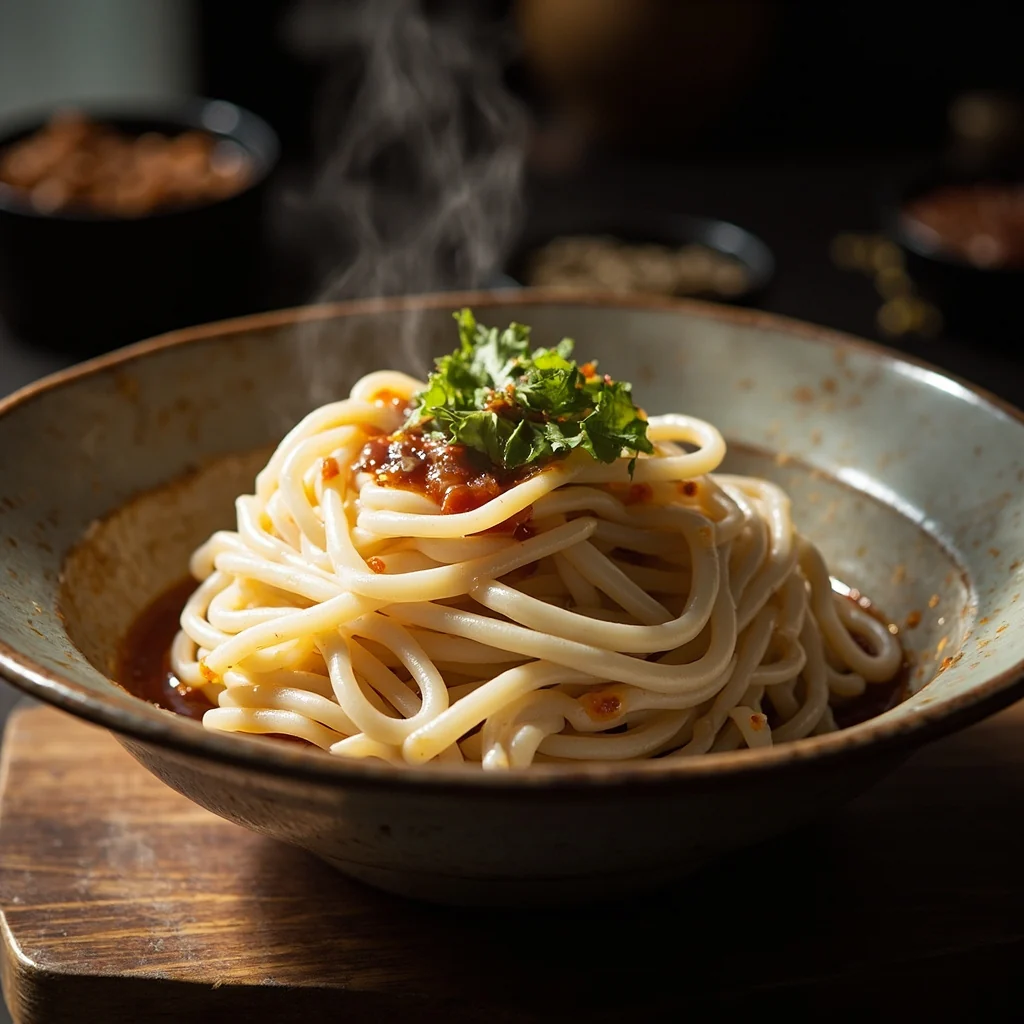
A beloved Xi'an street food featuring silky, elastic rice noodle sheets. These delicate noodles are made by washing wheat dough to extract starch, then steaming the batter into thin, chewy sheets. Served chilled with a tangy garlic sauce and fresh vegetables.
Story
Liangpi, which literally translates to 'cold skin', is a treasured snack from Xi'an. The name refers to the smooth, springy texture of the noodle sheets. While this homemade version takes some patience, the result is far fresher and more tender than anything you can buy at the store.
Ingredients
all-purpose flour
300g
water
600ml plus extra for washing
salt
1/2 teaspoon
vegetable oil
for coating
soy sauce
2 tablespoons
rice vinegar
1 tablespoon
chili oil
1 tablespoon
garlic, minced
1 clove
cucumber, julienned
1 small
Instructions
1
Make and rest the dough
Combine flour, salt, and about 180ml water in a large bowl. Mix until a rough dough forms, then knead for 8-10 minutes until smooth and elastic. Cover with a damp towel and let rest for 30 minutes.
2
Wash the dough
Place the rested dough in a large bowl. Add 600ml fresh water. Massage and squeeze the dough with your hands for about 10 minutes. The water will turn milky white as starch releases. Pour this starchy liquid through a fine mesh strainer into another bowl. Repeat washing with fresh water 3-4 times until the water runs mostly clear and you have a sticky, stringy gluten ball remaining.
3
Settle the starch
Let the collected starch slurry sit undisturbed for 4-6 hours or overnight in the refrigerator. The starch will settle to the bottom. Carefully pour off the clear water on top, leaving a thick white starch paste. The consistency should be like heavy cream—if too thick, add a little water.
4
Steam the gluten
Steam the remaining gluten ball for 20-25 minutes until cooked through. Let cool, then slice into small pieces. This becomes the 'wheat gluten' that accompanies liangpi
5
Cook the liangpi sheets
Heat a wide pan or steamer. Lightly oil a smooth surface (like a pizza stone or metal tray). Pour a thin layer of starch batter to cover, about 2-3mm thick. Steam for 2-3 minutes until the sheet becomes translucent and sets. Remove, let cool slightly, then peel off the sheet. Repeat with remaining batter, oiling between each layer.
6
Assemble and serve
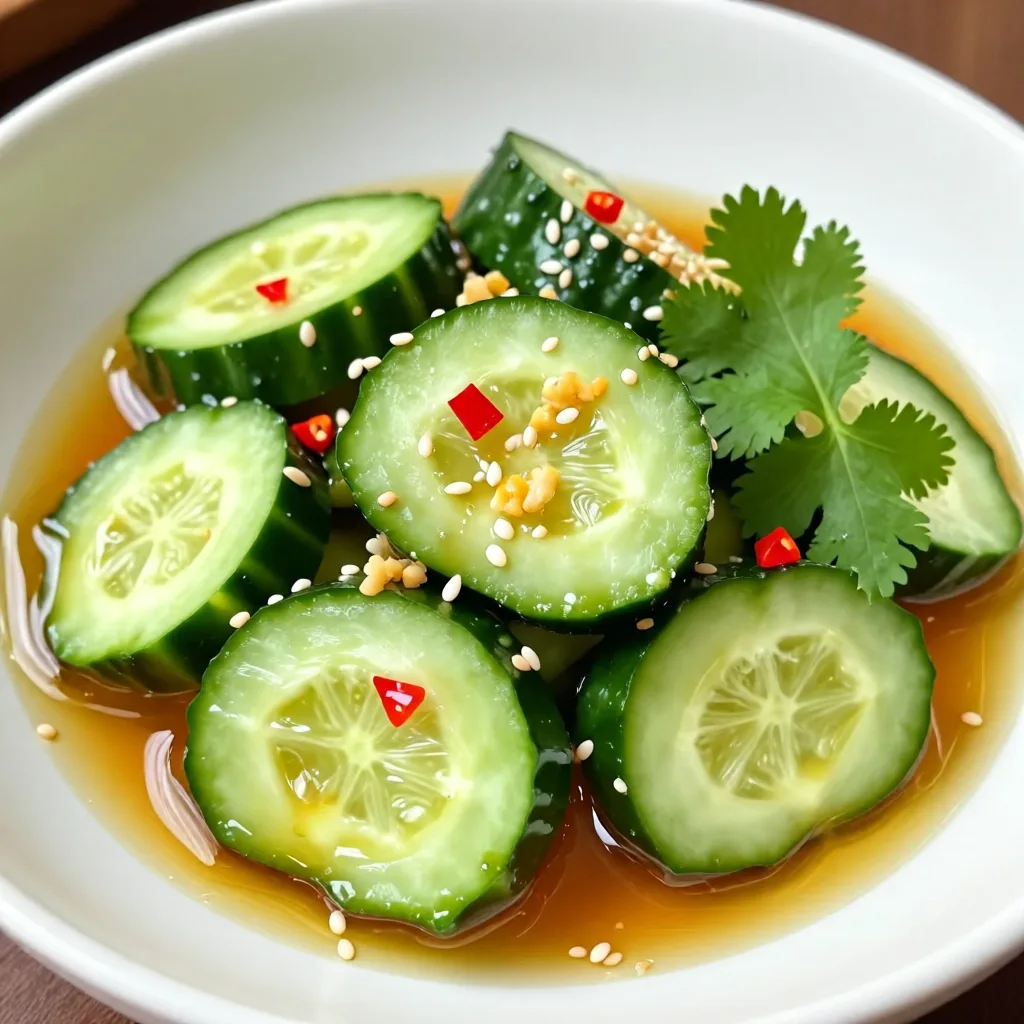
Stack the liangpi sheets and cut into thin strips. Combine soy sauce, rice vinegar, chili oil, and minced garlic for the dressing. Toss the noodles with sliced cucumber, gluten pieces, and the sauce. Serve immediately chilled or at room temperature.