Painted Cake Roll
A basic recipe for a patterned Swiss roll cake, with complete instructions for decorating the design and baking the cake.
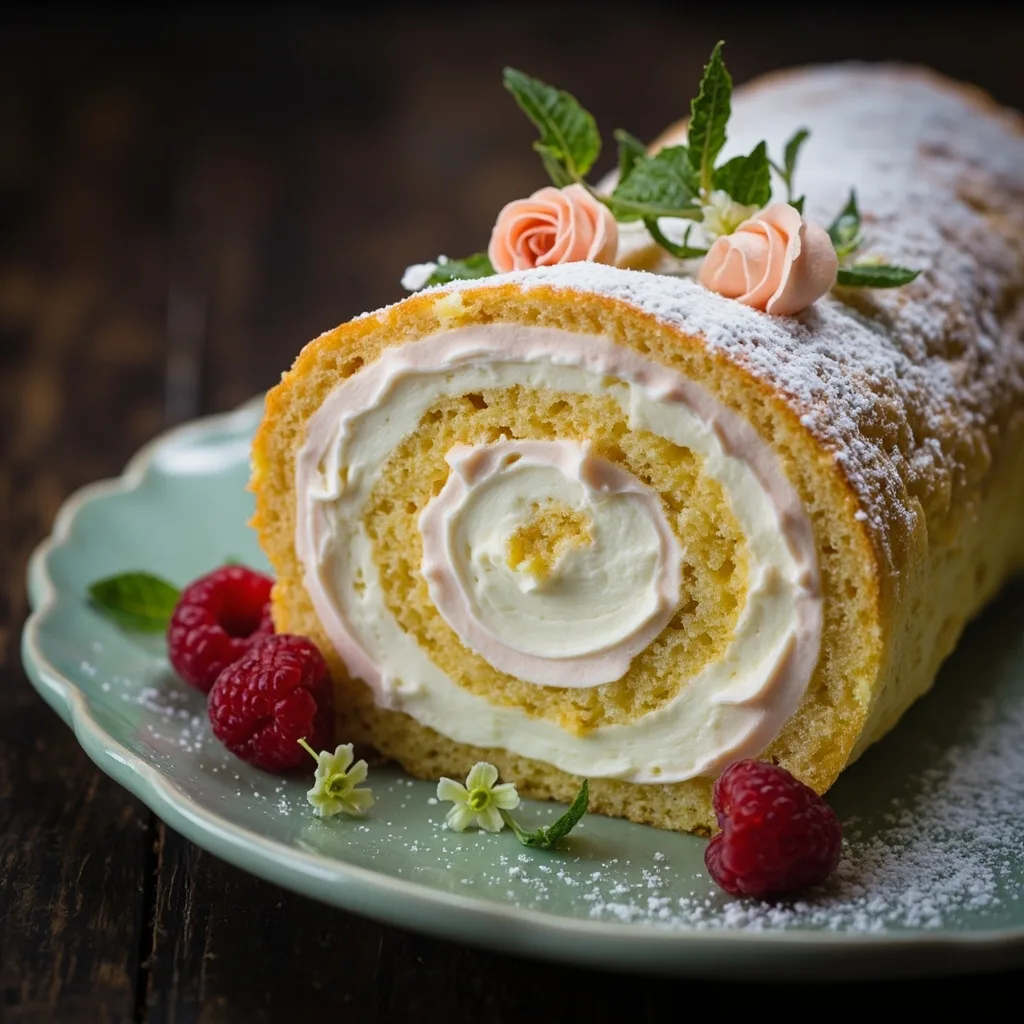
Ingredients
eggs (whites and yolks separated)
4-5
caster sugar
65 g
water
40-60 ml
salad oil
40-45 ml
vanilla extract
a pinch
cake flour (for cake body)
70-80 g
cake flour (for pattern)
to taste
cornstarch
1 tsp
food coloring (dissolve in a small amount of water before use)
a pinch
black cocoa powder
to taste
cocoa powder
to taste
matcha powder
to taste
instant coffee powder
to taste
coarse sugar (for syrup)
10 g
hot water (for syrup)
20 ml
liqueur (optional)
to taste
whipping cream (recommended 40%-47% fat content)
150 ml
caster sugar (for whipping cream)
14 g
Instructions
1
Make the Yolk Batter
Place the egg yolks and half of the caster sugar in a mixing bowl and beat with an electric mixer until pale and frothy. Add the water, salad oil, and vanilla extract in sequence, mixing well after each addition. Sift in the cake flour (for cake body) and stir thoroughly until the batter becomes sticky.
2
Make the Pattern Batter
Prepare as many small bowls as needed for the patterns. Divide the yolk batter among the bowls, then stir in cake flour (for pattern) to combine. Add matcha powder, cocoa powder, or other flavoring powders as desired, and gradually add the food coloring (pre-dissolved in water) to adjust the color intensity.
3
Make the Meringue
In a separate mixing bowl, lightly beat 1 egg white, then whip with an electric mixer until foamy. Finally, add 1 pinch of cornstarch and continue whipping until stiff peaks form when the beaters are lifted.
4
Combine the Pattern Batter
Add the meringue from step 3 to each of the small bowls from step 2 and stir gently to combine.
5
Draw the Pattern
Line a baking sheet with parchment paper. Use a piping cone or spoon to draw the patterns. Immediately place the tray in an oven preheated to 170°C and bake until the surface of the pattern is dry. If tilting the tray causes the batter to run, bake for an additional 30 seconds at a time until the surface is set.
6
Whip the Egg Whites
Beat the remaining egg whites to medium peaks, then add the remaining meringue from step 3. Continue whipping to stiff peaks, then add the remaining caster sugar (about 30 g) and whip until glossy. Add the remaining cornstarch and whip until stiff peaks form when the beaters are lifted.
7
Combine the Cake Body Batter
Fold the meringue from step 6 into the yolk batter in 3 additions, mixing well after each. For cocoa, matcha, or pink cake body variations, dissolve the corresponding powder in hot water and stir into the remaining yolk batter as needed.
8
Pour the Batter and Bake
Pour the batter over the baked pattern on the baking sheet, smooth the surface, and tap the tray gently 2-3 times to release any air bubbles. Bake at 170°C for 14 minutes.
9
Cool the Cake Body
Cover the cake surface with parchment paper, then invert the baking sheet together with the cake onto a cooling rack and lift off the tray to release the cake. Peel off the parchment paper immediately, then re-cover the cake surface and let it cool. For coffee-flavored cake bodies, which tend to crack on the surface, place them in a sealed plastic bag while still warm to cool gradually.
10
Whip the Cream
Whip the cream together with the caster sugar to stiff peaks.
11
Make the Syrup
Stir the coarse sugar with the hot water until dissolved. Let cool, then mix in the liqueur.
12
Roll the Cake
Place the cake body with the pattern side down on parchment paper. Brush the surface with the syrup, then spread with the whipped cream. Arrange the filling fruits on the cream. Lift the near edge of the cake together with the parchment paper and pull it forward to wrap the filling tightly, then continue rolling forward to form a cake roll. Refrigerate until set.