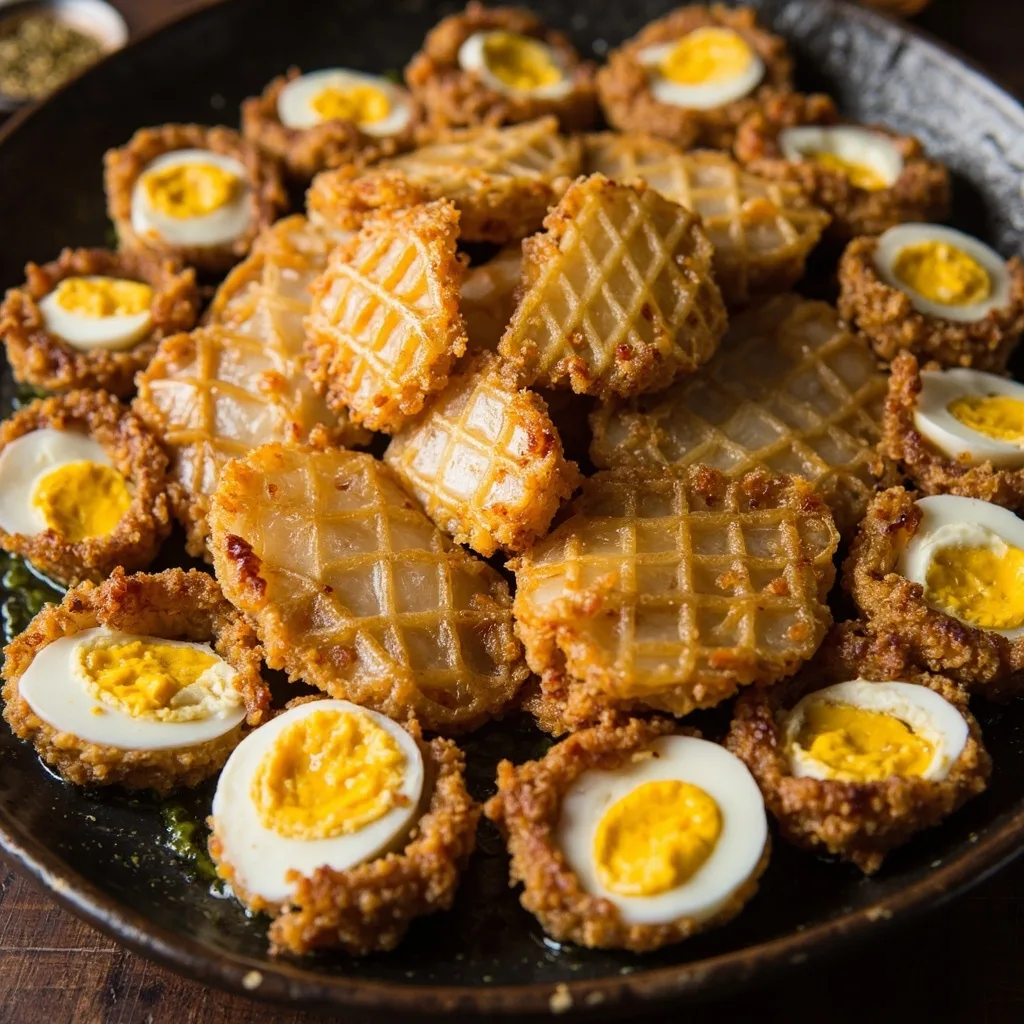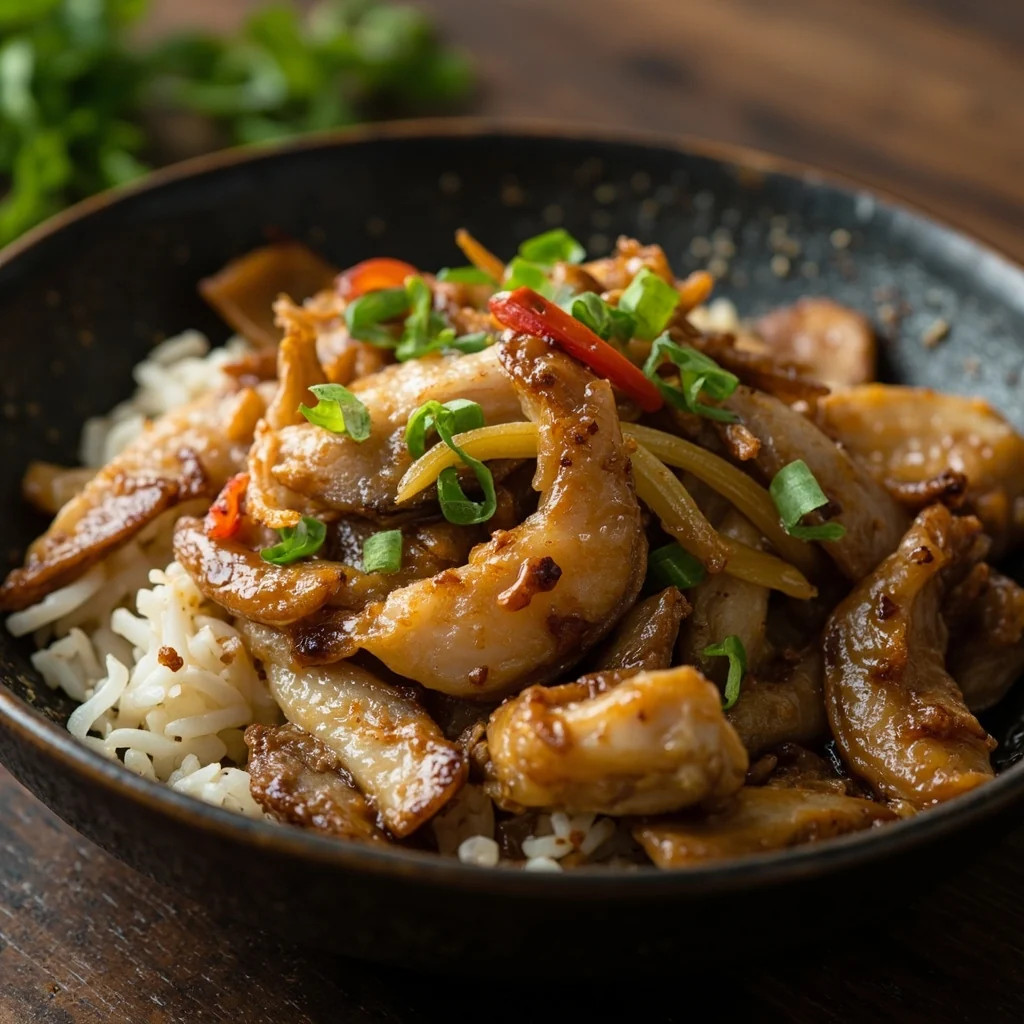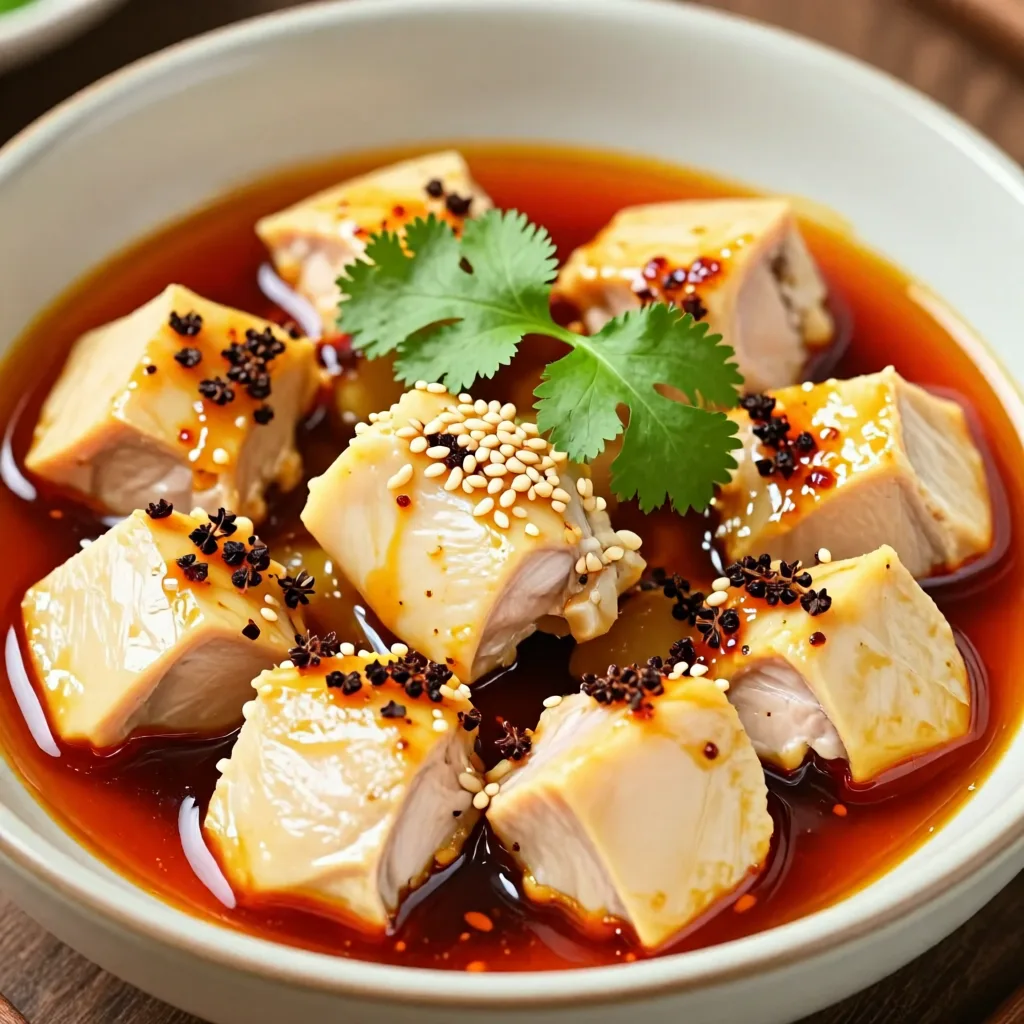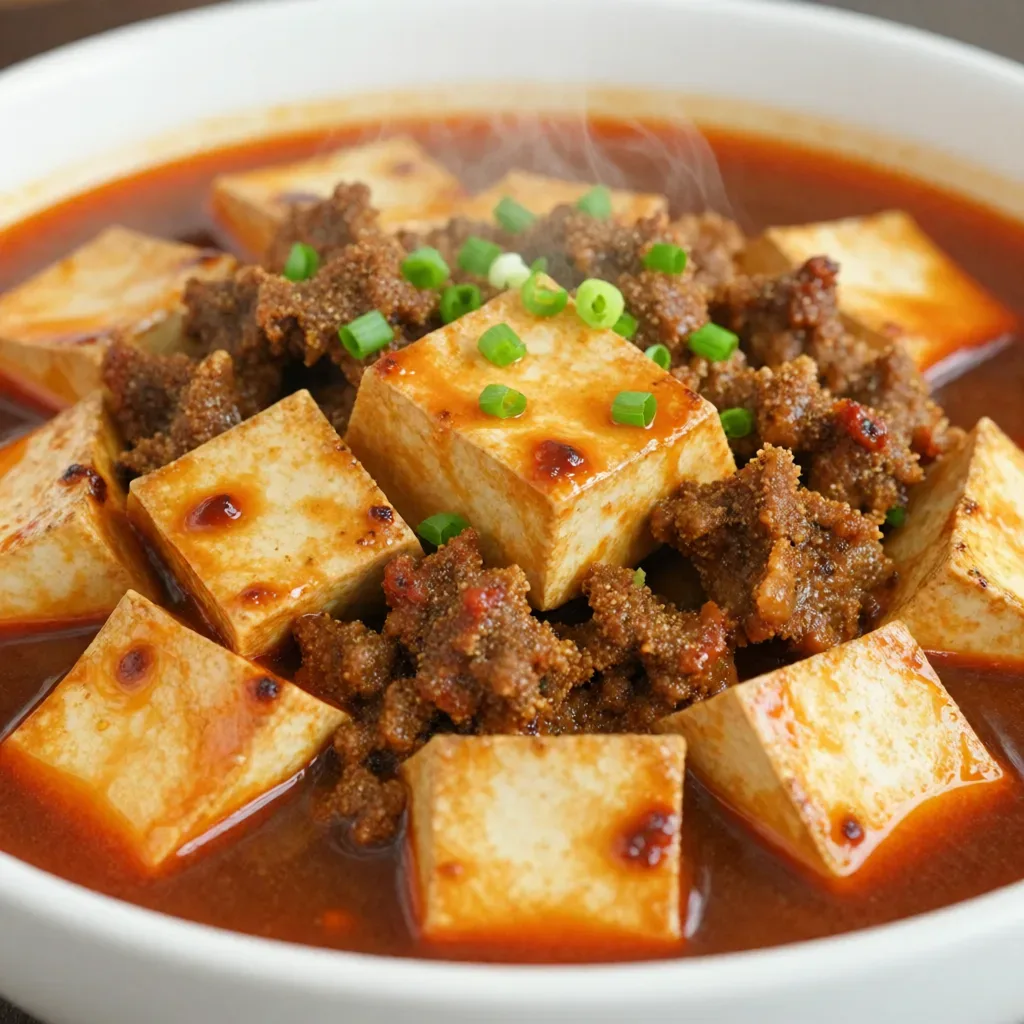
Sauce-Braised Pork Head Meat Recipe and Processing
Ingredients and preparation method for braised pork head meat.
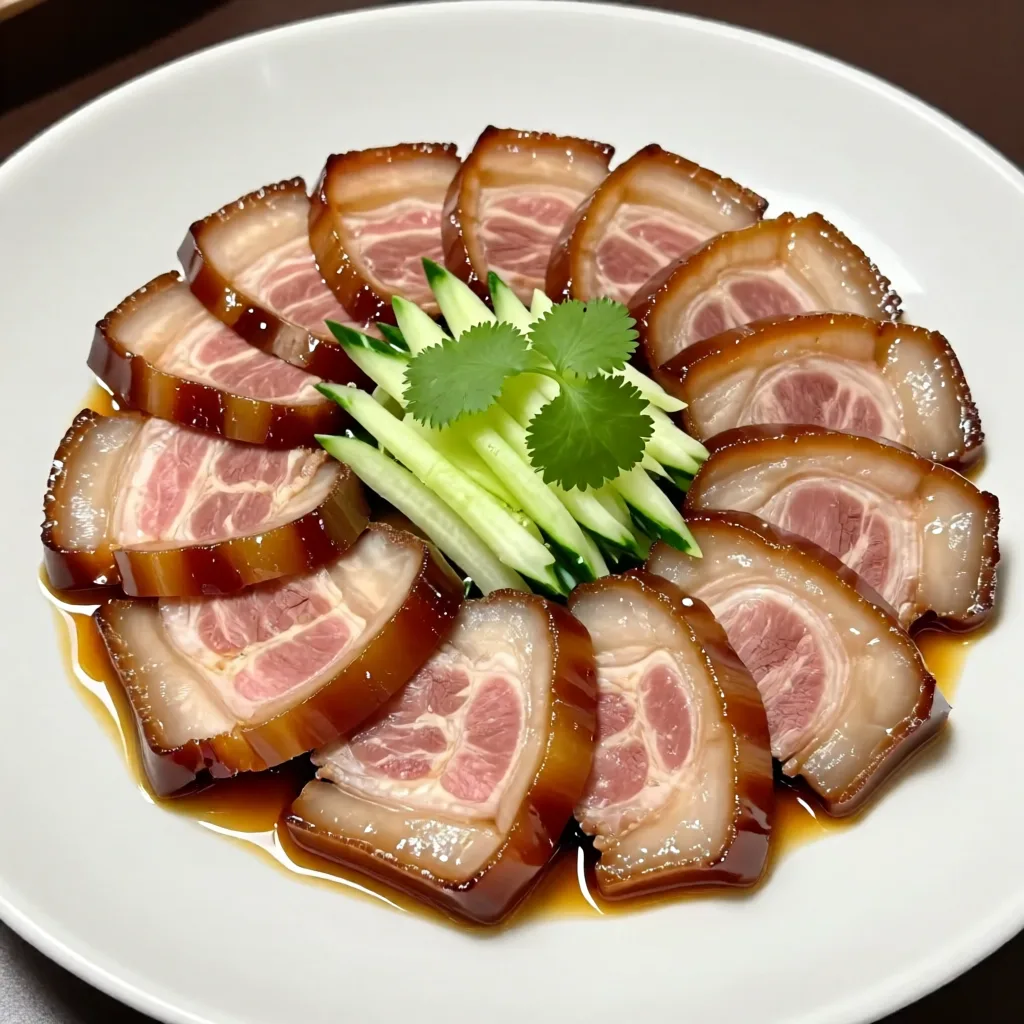
Ingredients
fresh pork head
100 kg
salt
3000 g
soy sauce
4000 g
yellow wine
500 g
ginger
200 g
green onion
200 g
garlic
100 g
aromatic spices
550 g
angelica
50 g
sand ginger
50 g
cloves
50 g
Sichuan peppercorn
100 g
star anise
100 g
cinnamon bark
100 g
fennel seeds
100 g
Instructions
1
Step 1
Cooking, sauce-braising, and finishing processes. The product is characterized by being rich but not greasy, tender and crisp, fresh and aromatic, and delicious.
Overview of Sauce-Braised Meat:
Sauce-braised meat is a category of cooked meat products made by simmering meat with salt or soy sauce and other seasonings and aromatic spices in water. It is the most diverse category among sauce-braised meat products, with varied flavors, but the main preparation techniques are similar, differing mainly in the specific operating methods and the quantities of ingredients. Based on these characteristics, sauce-braised meat can be divided into five types. Some sauce-braised meat products are first pre-cooked in clear water during processing, usually for about 20 minutes, and then cooked in sauce or brine until done. Some products require additional smoking steps after braising or brining. The main characteristics of sauce-braised meat are bright color, delicious flavor, tender meat, and a unique taste. The color and flavor of the product mainly depend on the seasonings and aromatic spices. Sauce-braised meat products mainly include sauce-cooked pork, braised meat, roast chicken, sweet and sour spare ribs, and honey-glazed pig's trotter.
Braised products are made by first preparing the braising liquid or adding aged brine, and then placing the raw materials into the braising liquid. Begin with high heat; once the braising liquid boils, switch to low heat and braise slowly, allowing the braising liquid to gradually penetrate the raw materials until they become tender and crisp. Braised products generally use aged brine. After each braising, the braising liquid must be cleaned (skimming oil, filtering, heating, cooling) and then stored. The longer the aged brine is used, the richer its aroma and umami, and the product features a tender, crisp texture with a strong aroma.
Ingredients:
100 kg fresh pork head.
Formula (per 100 kg of raw material):
3000 g salt, 4000 g soy sauce, 500 g yellow wine, 200 g ginger, 200 g green onion, 100 g garlic, 550 g aromatic spices.
Aromatic Spice Ratio:
50 g angelica, 50 g sand ginger, 50 g cloves, 100 g Sichuan peppercorn, 100 g star anise, 100 g cinnamon bark, 100 g fennel seeds.
Processing Technique
2
Step 2
Ingredient Preparation:
Select fresh pork head for sauce-braised pork head meat. Remove all hair. Then cut open the skin at the lower jaw of the pork head, split open the dental bone, split the bones, and soak in clear water overnight to remove excess blood. Once the pork head is scraped clean, rinse with boiling water to remove fine hairs and hair roots.
3
Step 3
Cooking:
First, place the selected and cleaned pork head meat blank into a pot of boiling aged broth. Cook over high heat until about 70% done, then remove and debone. Skim the foam from the broth. Then spread the pork bones at the bottom of the pot, arrange the cooked meat on top, add the seasonings and a cloth bag containing the new spices, add enough water, and braise over high heat for about 1.5 hours, then over low heat for about 1 hour, and finally braise covered for 0.5 hours.
4
Step 4
Braising in Sauce:
Evenly rub the remaining small amount of sauce on the skin of the sauce-braised pork head meat to make it smooth and translucent. This completes the product.
5
Step 5
Preparation of Sauce and Braising Broth:
The preparation of sauce and braising broth used in the processing of sauce-braised meat products is a key factor affecting product quality. It requires the application of scientific formulas and the selection of high-quality ingredients to form the product's unique flavor and color. Aged broth is very important when producing sauce and braised products. The longer the aged broth, the better the flavor of the sauce and braised products. When producing sauce or braised products for the first time without aged broth, the ingredients must be adjusted accordingly. After repeated use of aged broth, a large amount of sediment will form and impact product consistency. It must be filtered regularly to keep the aged broth clean. In industrial production, filtration or purification machinery can be used to complete the purification process. In addition, foam should be skimmed each time it is used, and the broth should be cleaned and brought to a boil after use. Aged broth is usually used daily; aged broth that is not used for a long time should be frozen for storage or boiled regularly to prevent spoilage.
6
Step 6
Aged Broth Handling and Storage:
Aged broth is an important raw material in the processing of sauce-braised meat products. Good aged broth is an important condition for producing the unique flavor of sauce-braised meat products. Aged broth contains large amounts of protein and fat degradation products and accumulates abundant flavor substances, which are important reasons for the formation of the unique flavor of sauce-braised meat products. However, during the storage of aged broth, these substances are easily utilized by microorganisms and cause the aged broth to spoil. The repeatedly used aged broth contains a large amount of ingredient residue and meat debris, which also easily causes the aged broth to spoil and the flavor to deteriorate. When using aged broth containing impurities to braise meat, the impurities will adhere to the surface of the meat and affect the quality and consistency of the product. Therefore, aged broth must be boiled before use. If not used for a long time, it must be boiled regularly and stored at low temperature. Generally, aged broth that needs to be stored should be boiled, filtered through a 50-mesh screen, and skimmed of foam and residual ingredient residue before being placed in storage. Store at 0-4°C for later use. In industrial production, in order to maintain product quality consistency, mechanical filtration is usually used to uniformly filter aged broth, ensuring that all raw materials use aged broth of a unified standard.
7
Step 7
Braising Broth Preparation in Sauce-Braised Meat Production:
Braising broth preparation is a key link in the production of sauce-braised meat products. Braising broth is made by boiling aged broth with water and seasonings. The quality of braising broth is affected by factors such as the ratio of aged broth to water, the amount of salt and seasonings used, the boiling method, and the amount of water evaporation during the boiling process. In particular, the ratio of aged broth to water and the amount of water evaporation during the boiling process directly affect the concentration and saltiness of the braising broth, which has a great impact on product quality and must be strictly controlled and adjusted. If too much water evaporates during braising broth preparation, an appropriate amount of water can be added, and some ginger slices, coloring, and other aromatic spices can be added as appropriate, while taking into account the amount of aged broth and supplementing the salt.
8
Step 8
Heat Control Techniques in Sauce-Braised Meat Processing:
Heat control is an important link in processing sauce-braised meat products. Cooking over high heat causes the outer layer of muscle to contract rapidly and strongly, making it difficult for the ingredients to gradually penetrate the interior of the product. The meat cannot be tender and moist, the product becomes dry and hard and tasteless, the saltiness is uneven inside and out, and the broth is bland without meat flavor. Cooking over low heat allows for easier exchange of materials and energy inside and outside the muscle. The product is tender and flavorful throughout, and the meat broth is cloudy white with a rich aroma. However, it often requires a longer cooking time, and the product is difficult to shape, with a low yield. Therefore, heat control should be determined according to the variety and product size, determining the heating time and intensity, and adjusted at any time according to the situation.
Heat control includes control of fire intensity and heating time. With the exception of individual varieties, the heat intensity for various products when heated is generally high heat first and then low heat. Usually, high heat cooking time is relatively short, and low heat cooking time is relatively long. The purpose of using high heat is to cause the muscle surface layer to contract appropriately to keep the shape of the product, avoiding the situation where, in the later stage of long low heat cooking, the product becomes misshapen or cannot be removed from the pot. Low heat cooking is to allow the ingredients to gradually penetrate the interior of the product, achieving even saltiness inside and out, and making the meat tender and flavorful. Heating time and methods vary by variety. Products with large volume and large pieces generally require longer heating time. Conversely, the time can be shorter, but the product must be cooked through.
9
Step 9
Selection of Soy Sauce in Sauce-Braised Meat Processing:
In sauce-braised meat products, dark soy sauce is often used for coloring. Light soy sauce and dark soy sauce are both soy sauces processed through brewing and fermentation. Light soy sauce has a lighter color, lighter sauce flavor, heavier saltiness, and a fresher taste, and is mostly used for seasoning. Dark soy sauce has a darker color, brown in appearance, rich sauce flavor, and lower umami. Therefore, products such as straw mushroom dark soy sauce have been developed by adding straw mushrooms to enhance its umami. It is generally used to color food, such as for making braised products.
10
Step 10
Control of Sticking to Pot or Floating Above Surface During Sauce-Braising:
During the sauce-braising process of sauce-braised meat products, due to the boiling action of the braising broth, some products will float above the water surface and not be cooked, causing the meat to be unseasoned or undercooked. Therefore, when starting to braise, stainless steel mesh or a grate is usually used to press the products down, with heavy objects on top to keep them below the water surface, so that all products can absorb the flavor and ensure consistency in product quality. Also, during the sauce-braising process, products that contact the pot for a long time may stick to the pot. Therefore, a grate or stainless steel mesh is sometimes placed under the meat to separate the meat from the pot, avoiding product sticking.
11
Step 11
Clarification of Braising Broth in Sauce-Braised Meat Production:
In addition to most of the water, the braising liquid also contains many types of spice extracts, aromatic substances, and most of the colorants. These substances undergo more complex physical and chemical changes in a hot environment, forming a unique braised flavor. At the same time, however, these substances can also cause turbidity in the braising broth, affecting the processing quality of the product. The use of clarifiers and adsorbents specifically for food processing can remove some impurities and colorants from the braising liquid, but it will weaken the taste of the braising broth to a certain extent. During the production process, it can be controlled by adjusting the heat and adjusting the ingredients. For example, using low heat and increasing the amount of angelica in the ingredients can reduce turbidity. Filtering the braising broth immediately after use can maintain a clear state.
12
Step 12
Caramel Color Preparation and Temperature Control:
Caramel color is often used in the production of sauce-braised meat products, and the quality of caramel color preparation has a great impact on product appearance. Caramel color is formed by heating sugar liquid under suitable temperature conditions to cause caramelization. The key is temperature control. If the temperature is too low, caramelization will not occur or will be insufficient, and the resulting caramel color will be light in color. If the temperature is too high, the caramel will be carbonized, and the resulting caramel color will be dark, black, and bitter. Therefore, neither too high nor too low a temperature can produce good caramel color. When the temperature is insufficient: a small amount of edible oil can be added to the pot first. After the oil is heated, the temperature is higher, which can ensure that the sugar liquid undergoes caramelization and avoid sticking to the pot. During the cooking process, high temperature must be strictly controlled. Avoid too high a fire causing the caramel color to become bitter.