Sponge Cake
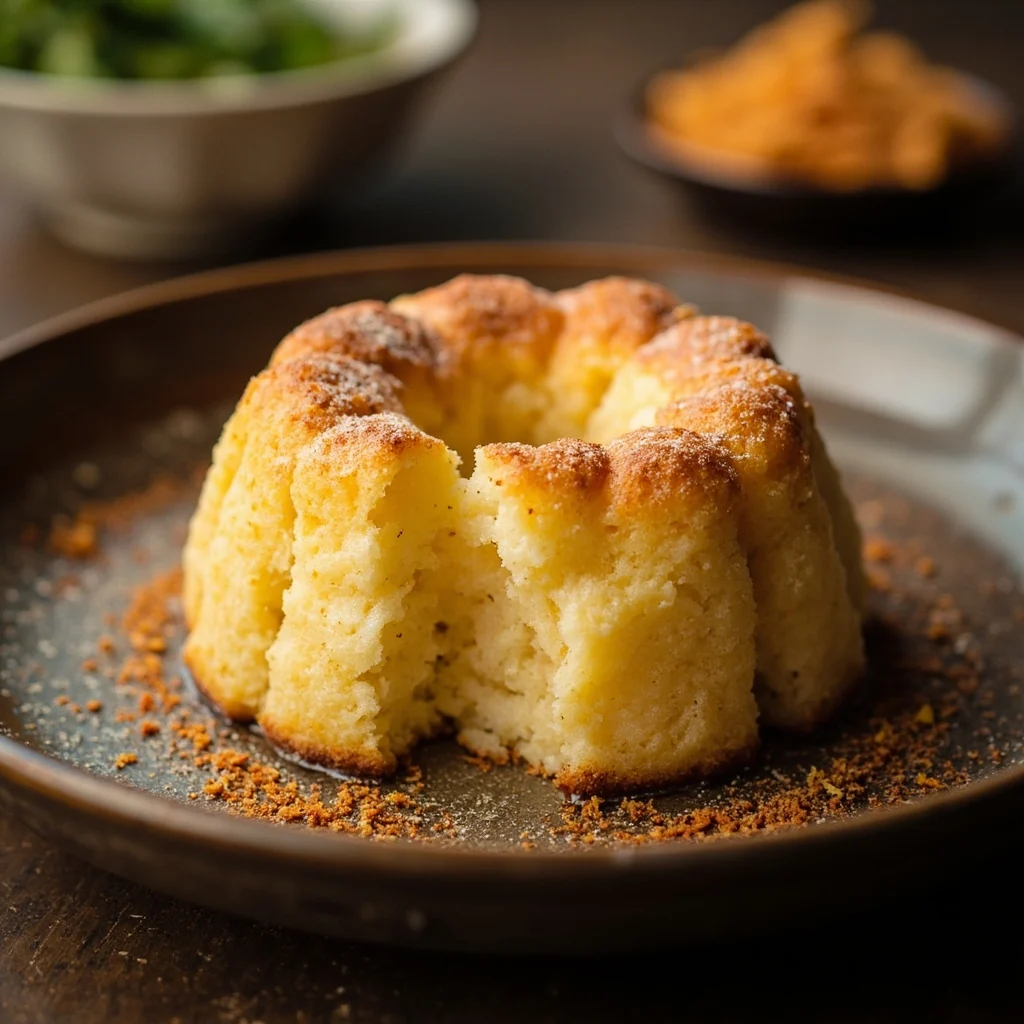
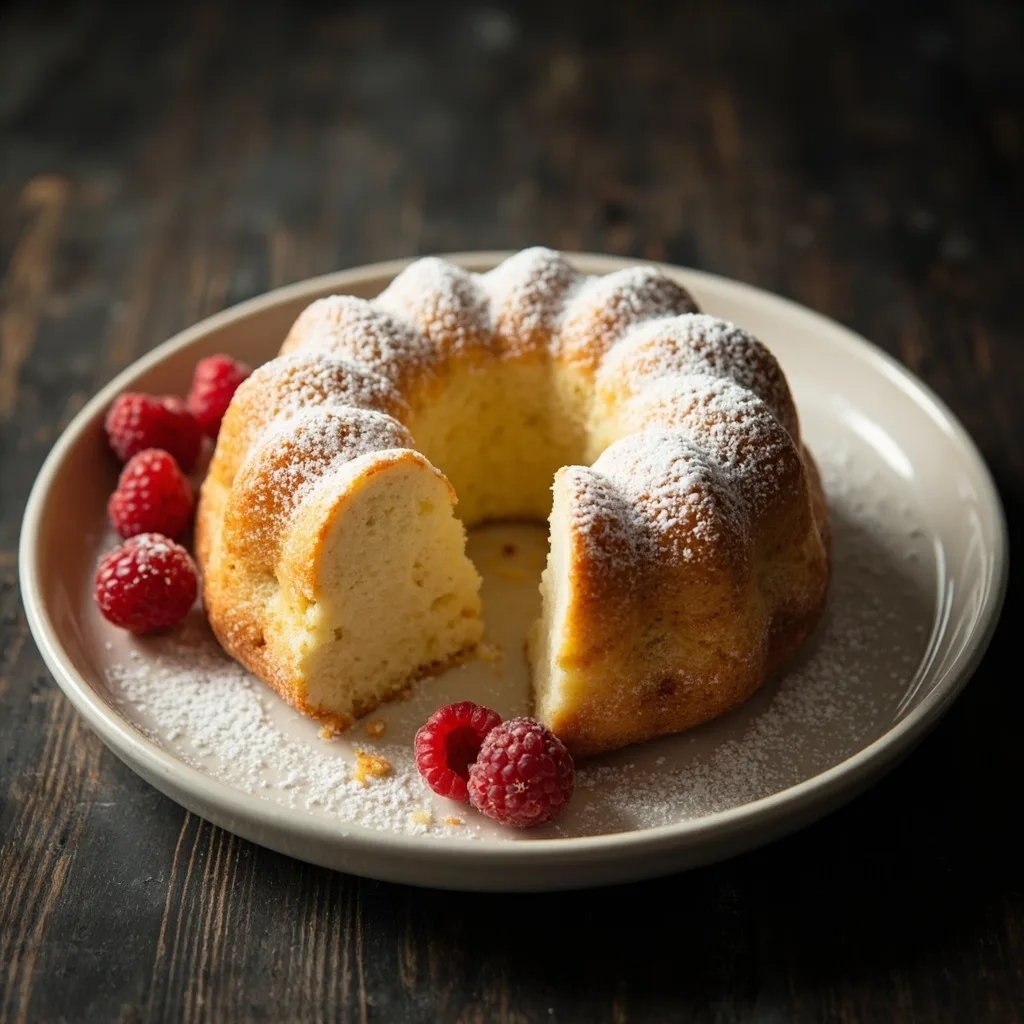
Basic sponge cake preparation: whisk the eggs to the ribbon stage, fold in the flour and butter, then bake and unmold.
Ingredients
eggs (beaten in a bowl)
to taste (original recipe did not specify exact gram weight)
fine granulated sugar (added with the eggs and whipped together)
to taste (original recipe did not specify exact gram weight)
cake flour (sifted before use)
to taste (original recipe did not specify exact gram weight)
butter (melted, added in small batches)
to taste (original recipe did not specify exact gram weight)
Instructions
1
Whip the eggs and sugar to the butterfly foam stage
- Crack the eggs into a bowl, beat with a hand whisk or low-speed electric mixer, and place a damp towel under the bowl to prevent it from wobbling. 2. Add all the sugar and gently stir with the hand whisk to combine. 3. Heat over a 60°C water bath, holding the whisk against the bowl edge while making circular motions to mix. 4. When the mixture inside the bowl reaches body temperature, stop the water bath, tilt the bowl, and whip at high speed with the electric mixer. 5. Rotate the bowl while keeping the whisk in the same position until the mixture turns white. 6. When scooped, the mixture should flow down slowly and fall with a consistency as if it could be used for writing — this is the finished stage. Switch the mixer to low speed to adjust the bubbles. 7. The standard batter firmness: insert a toothpick about 1 cm and it should remain upright without falling. Butterfly foam state: when scooped, the mixture can draw a figure-8 with the shape slightly remaining.
2
Add the cake flour
- Pour all of the sifted cake flour into the bowl. 2. Rotate the bowl while using a rubber spatula to scoop from the bottom, folding the mixture upward in broad strokes. 3. Fold the scooped mixture toward yourself, repeat until the flour is completely incorporated, scrape the sides and bottom of the bowl, and mix until all remaining flour is evenly combined.
3
Add the butter
- Once the flour is fully absorbed, add the melted butter in small batches by drizzling it onto the rubber spatula before folding into the batter — do not pour it directly into the batter. 2. Mix the butter into the batter until evenly combined throughout, but do not mix for too long to avoid losing the air bubbles.
4
Baking
- Place the pan on a baking tray, pour in the batter, and smooth the surface with a rubber spatula. 2. Tap the baking tray gently on a cloth towel to level, then bake in a 180°C oven for about 25 minutes. 3. When the surface is colored, gently press the surface — it should feel springy when done. Alternatively, insert a metal skewer into the center for 3 seconds — it should become hot when baking is complete.
5
Demolding
- Invert the cake onto a cake cooling rack, and change its position every 1–2 minutes at first to cool evenly. 2. Gently peel off the paper starting from the sides, then tear it off along the bottom once the sides are fully removed. 3. Insert a cake spatula into the side of the pan and rotate the pan to cut a gap between the cake and the pan. 4. Slowly and vertically lift the pan upward to release the cake — this must be done gently and carefully to prevent the cake from collapsing.