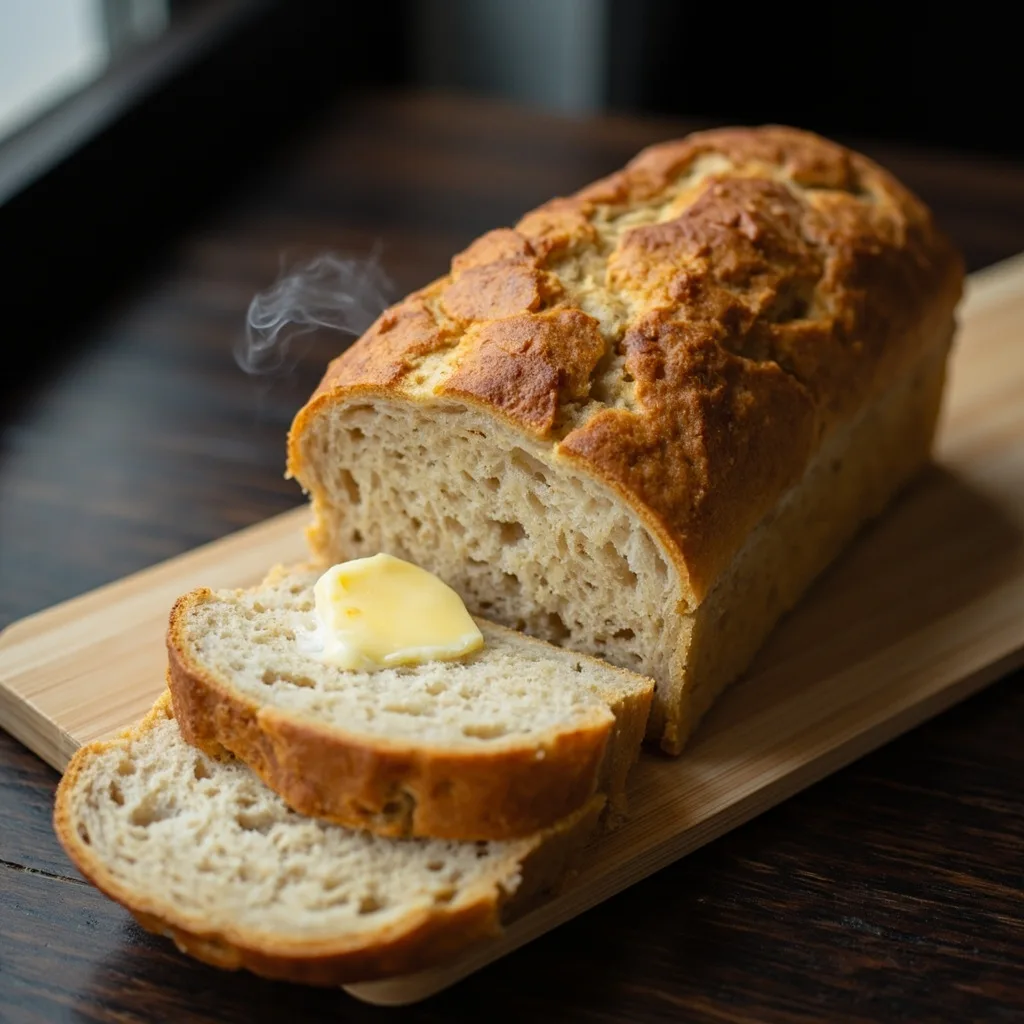
Everyday 100% Whole Wheat Sandwich Bread
A soft 100% whole-wheat sandwich bread that works as a white-bread alternative—ideal for hamburger buns, dinner rolls, or toast.
Ingredients
Whole wheat flour (can use traditional red wheat or white whole wheat flour)
6¼cup (28oz / 794 g)
Salt (or 1 tbsp coarse kosher salt)
2 tsp (0.5oz / 14 g)
Granulated sugar or brown sugar (or 3½ tbsp honey or agave syrup)
5 tbsp (2.5oz / 71 g)
Egg
1 (1.75oz / 50 g)
Vegetable oil
¼cup (2oz / 56.5 g)
Warm water (about 95°F or 35°C)
1¼cup (10oz / 283 g)
Warm milk (any kind, about 95°F or 35°C)
1¼cup (10oz / 283 g)
Instant yeast
1½tbsp (0.5oz / 14 g)
Instructions
1
Mix Dry and Wet Ingredients
Sift the flour, salt, and sugar together in a mixing bowl (if using honey or agave syrup, dissolve it in the warm water). In another bowl, whisk the egg and oil together. Separately, combine the water and milk, then stir in the yeast until dissolved
2
Initial Mixing
Add the egg mixture and water mixture to the dry ingredients. If using a stand mixer, beat with the paddle attachment on the lowest speed for 1 minute. If mixing by hand, stir with a large spoon for about 1 minute. The dough should be moist and shaggy. Let the dough rest for 5 minutes to fully hydrate the flour
3
Kneading Phase One
Switch to the dough hook and mix at medium-low speed, or continue mixing by hand for 2 minutes. The dough will become slightly stiffer and smoother. If still very wet, add more flour; if very stiff, add a little water 1 tablespoon at a time. The dough should be very soft and slightly sticky
4
Kneading Phase Two
Continue mixing with the dough hook at medium-low speed, or by hand for 4 minutes, increasing speed to medium-high or kneading more vigorously for the final 20 seconds to develop and organize the gluten. The dough will still be slightly sticky, but will also feel stronger and more elastic
5
Hand Shaping and Folding
Transfer the dough to a lightly floured work surface using a wet scraper, knead by hand for a few seconds, adding more flour or water as needed to make the dough very soft, pliable, and slightly sticky; then round the dough. Do one stretch and fold on the work surface or in the bowl, reaching under the front end of the dough, stretching it out, and folding it back over the top of the dough. Repeat from the back end and then from the sides, then flip the dough and gather it into a ball. Cover the dough and let it rest for 10 minutes. Repeat the entire process twice more, completing all repeats within 30 minutes
6
Cold Fermentation
Place the dough in a clean, lightly oiled bowl, large enough to allow the dough to double in size. Tightly cover the bowl with plastic wrap, then immediately refrigerate overnight or for up to 4 days. (If planning to bake the dough in batches on different days, you can divide the dough into two or more portions at this point and place in oiled bowls.)
7
Baking Day Preparation
Remove the dough from the refrigerator about 3 hours before you plan to bake. Transfer the dough to a lightly floured work surface and divide it into two equal portions for loaves, or into smaller portions for rolls (about 2 oz each). Shape the dough into sandwich loaves, free-form loaves, or rolls. For sandwich loaves, place the dough into an oiled 4½ x 8½ inch loaf pan. For free-form loaves or rolls, line a baking sheet with parchment paper or a silicone mat and proof the dough on the baking sheet
8
Final Proofing
Spray the dough with oil and loosely cover with plastic wrap, then let it rise at room temperature for 2 to 3 hours until increased to about 1.5 times its original size. In a loaf pan, the dough should rise about 1 inch above the edge
9
Baking
About 15 minutes before baking, preheat the oven to 350°F (177°C). For rolls, brush the dough with egg wash before baking. (Loaves do not need this.) Bake loaves for 20 minutes then rotate; rotate rolls after 10 minutes. Total baking time is 40 to 55 minutes for loaves, and only about 20 minutes for rolls. The bread is done when the top and sides are a deep reddish-brown color; the bottom sounds hollow when tapped; and the internal center temperature is above 185°F (85°C)
10
Cooling
Remove from the baking pan and let rolls cool for at least 20 minutes, and loaves for at least 1 hour, before slicing or serving