
Premium Decoration Techniques (Piping and Run-out Sugar Flowers)
A guide to preparing royal icing for cake decoration, mastering a range of piping techniques, and crafting flood-work sugar flowers, including methods for mixing and adjusting icing consistency.
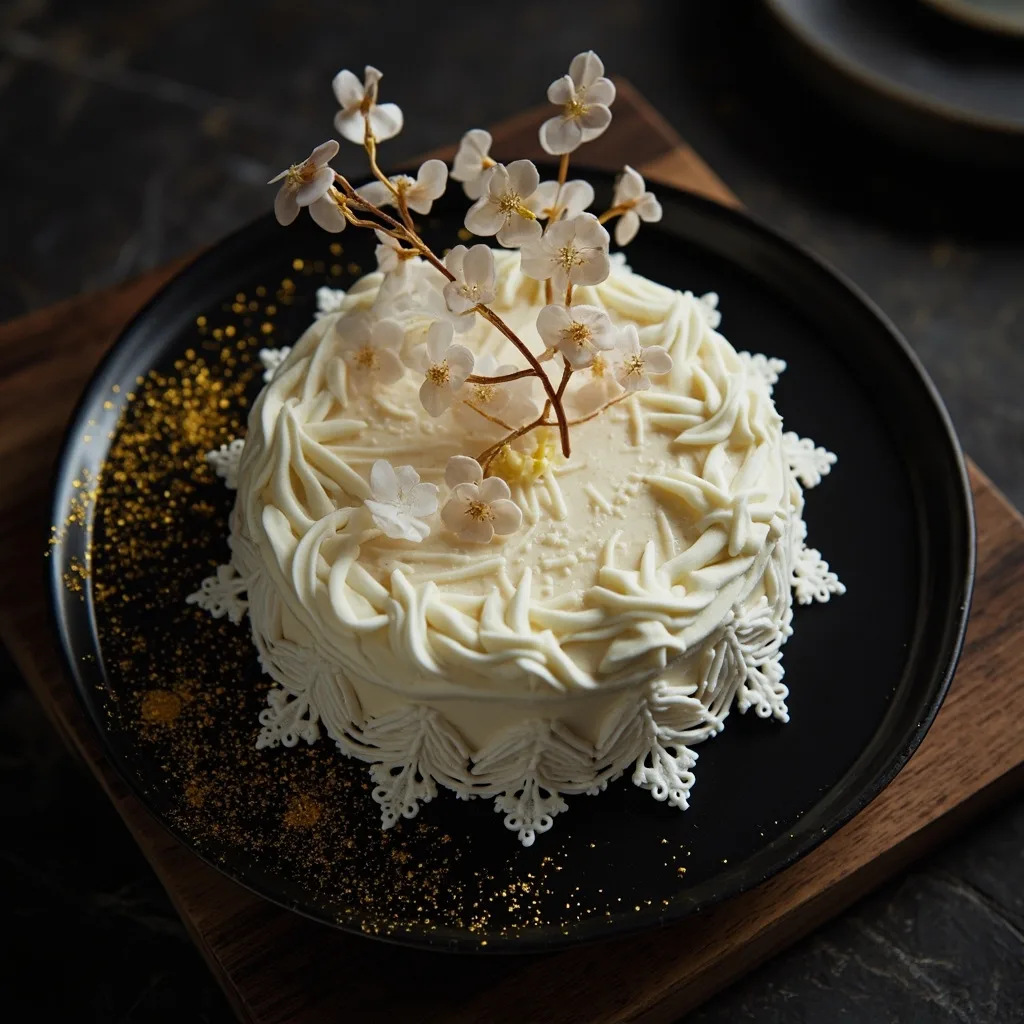
Ingredients
Royal icing (for piping)
to taste
Icing (must stay soft and fluffy, able to hold a peak)
to taste
Icing (slightly thinned with egg white or water)
to taste
Egg white (used to thin icing and make it firm)
a pinch
Water (added one drop at a time, gentle stirring)
gradually
Instructions
1
Key Points for Piping
Icing consistency is the most important thing. It should not be too stiff; it must be soft and fluffy and able to hold a peak.
2
Preparing Icing for Run-out Flowers
Take icing at normal consistency and slightly thin it with egg white or water. Best to add water one drop at a time, very gradually. Do not beat when adding water to prevent large amounts of air from entering; stir gently.
3
Testing Icing Consistency
Add enough water to reach the piping consistency. Test method: stir in the bowl with a knife and lift it up, steadily count to 10. If the icing's ripples just settle, the consistency is just right.
4
Preparing for Run-out Flower Making
Secure the wax paper over the outline, waxed side up, fixing only at the four corners with protective tape. Pipe the outline along the pattern lines.
5
Filling with Icing
Start piping near the outline, keeping the paper cone tip in the icing to reduce air bubbles. When nearly full, use an oil painting brush to push the icing to the edges. Gently tap the work surface to remove air bubbles.
6
Drying and Demolding
Remove the pattern and let the sugar flowers dry. Once completely dry, lift the sugar flowers with a crank pastry knife, or peel off the wax paper.
7
Making Lace Borders
Trace the pattern onto greaseproof paper, cover with wax paper and secure. Use a #0 or #1 tip to pipe lace, leaving a handle for attachment. After drying for at least two hours, gently lift with a curved spatula.